
GRANBELM
STATUS
COMPLETE
EPISODES
13
RELEASE
September 27, 2019
LENGTH
25 min
DESCRIPTION
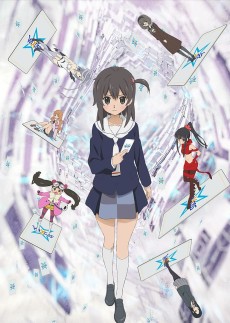
Was going back to school at night to retrieve a forgotten lunch box a really bad mistake? That's how it seems when Mangetsu Kohinata suddenly finds herself pulled into a strange world where girls in giant magical armor are engaged in a ferocious battle. While the timing was unfortunate, it turns out that Mangetsu's arrival in this strange realm was anything but a mistake, because Mangetsu appears to be a mage herself! Now, with the help of her mysterious new friend Shingetsu, Mangetsu must learn how to summon and control her own giant armor as they fight against other mages in a competition with an unbelievable prize - control of the lost magic that once ruled our planet!
(Source: Sentai Filmworks)
CAST
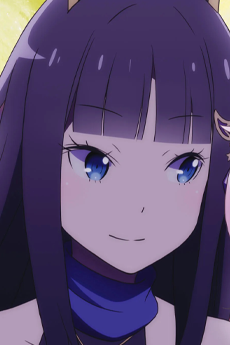
Shingetsu Ernesta Fukami

Atsumi Tanezaki

Mangetsu Kohinata

Miyuri Shimabukuro
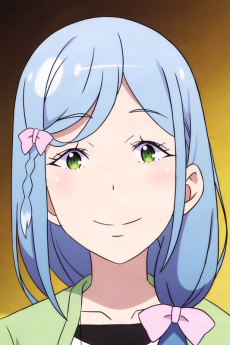
Suishou Hakamada

Aoi Yuuki

Kuon Tsuchimikado

Manaka Iwami

Anna Fugo

Youko Hikasa
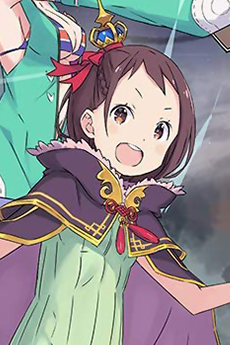
Nene Rin

Yurika Kubo
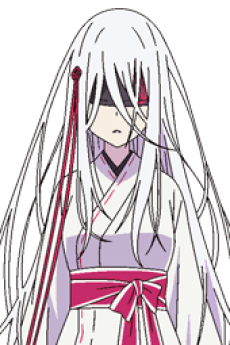
Shisui Tsuchimikado

Yukari Tamura

Kibou Kohinata

Hikaru Akao
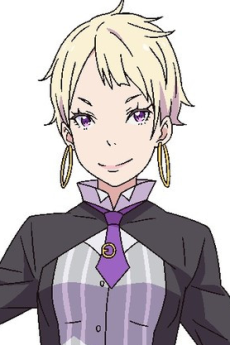
Sasha

Yumi Uchiyama
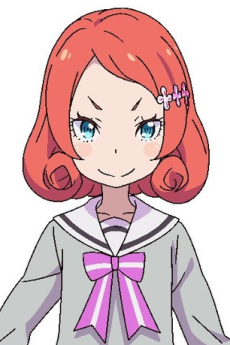
Claire Fugo

Marika Kouno
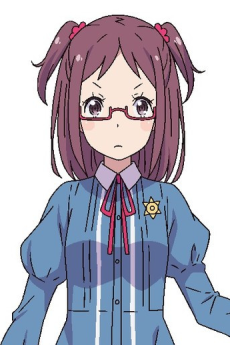
Mimi Rin

Nozomi Kasuga

Nana Rin

Juri Kimura
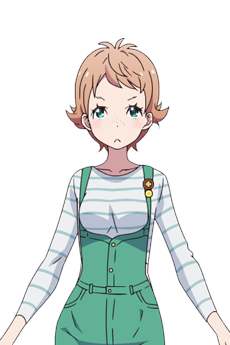
Rosa

Chinatsu Akasaki

Narrator
Nobuo Tobita
EPISODES
Dubbed
REVIEWS

dokai
Granbelm spends too much time ripping off its predecessors and not enough time developing its story and characters.Continue on AniListThe 2010s gave anime fans a revival of sorts for the magical girl genre. This can be attributed to shows like Madoka Magica, which gave a darker, more story-based spin on the usual "girl meets talking animal and gets powers" plot, and was targeted towards an older demographic, unlike Sailor Moon and Cardcaptor Sakura. Before long, a new wave of sleeker, story-based magical girl anime hit the scene, some more obscure than others.
Granbelm is one of these shows that spawned out of the shadow of Madoka, but it fails to live up to the show that it's so clearly inspired by.
The story follows the story of the pink-haired protagonist Mangetsu, who, on the night of a full moon, is suddenly transmitted into Granbelm, a battle-royale set in another world, where girls fight eachother in massive magical mech suits. There, Mangetsu meets the mysterious Shingetsu, who tells her about the battle for unlimited magical power, and they end up forming a team to fight in Granbelm.
Without going into too many spoilers, this show's plot is pretty weak and derivative. It borrows a lot of tropes from other anime without really putting any sort of creative spin on them other than "cool big robot". There is a plot twist towards the end of the show that kind of shakes things up, but by then there's not enough time to get deep into any character development, so the twist ends up coming off as sort of "fake deep".
Speaking of character development, this show's characters are probably its most lackluster feature. The protagonist features pretty much no unique qualities other than being naive and determined. Granted, this could be explained by future revelations in the show that I won't spoil, but it still doesn't make for a very interesting character. The same can be said for pretty much all of the other characters in the show; they have very one-note, uninteresting personalities that make it really hard for me to care about them in the slightest. There's one girl who's only personality trait is screaming in anger, like she doesn't have any sort of chill switch.
The animation in this show is fine, for the most part. Where it really fails is during the fight scenes, where the show really just tries to throw out as much bright, seizure-inducing visual vomit as possible without really showing any dynamism or fluidity. Not all of the action scenes are bad, but the ones that are are really difficult to follow due to the show's need to overload the screen with neon lasers and explosions every 12 seconds. Not to mention that the show's opening sequence blatantly rips off Neon Genesis Evangelion in several ways.
The soundtrack is decent. It has some pretty tracks, but it's not anything too crazy.
Overall, this show just didn't really click for me. It just felt derivative to the point of losing almost all of its seriousness, from the opening sequence to the show's resolution. There were aspects of it that showed promise, but it ultimately failed at providing me with anything that I couldn't get out of Madoka Magica.

TheAnimeBingeWatcher
My complex thoughts on one of 2019's most unusual shows.Continue on AniListWhen it comes to Granbelm, I feel like you fall into one of two camps: you either get it, or you don’t.
I realize that’s a pretty vague and unhelpful statement, so let me clarify. To some extent, your ability to enjoy any piece of media is determined by how well you connect with its specific wavelength. The subtle differences in cinematography, dialogue, visual aesthetic, themes and so on can make all the difference in the world in determining why, for example, I dislike the Haruhi franchise, yet I love a show that starts from pretty much the exact same premise, Chuunibyou. If you can latch onto a show’s overriding attitude, you’re going to enjoy it. If you can’t, you won’t. Simple enough on its surface right?
Well, I feel like that Granbelm supercharges that dichotomy to a far greater extent than I’ve seen in a while. Despite it being one of the least watched anime of Summer 2019, there’s a sizeable contingent of fans who absolutely adore it. On the MAL forums, on Anime News Network, scattered across the internet, there are plenty of people who love this mashup of dark magical girl tropes and mecha action with all their heart, praising the characters and the ideas explored and putting it right up there near the top of their lists for anime of the season. And on the other hand, you have the rest of the anime fandom, who lost interest in it, dropped off after a couple episodes, hated it from the get-go, couldn’t be bothered to care about it, or are still watching but not quite sure why. Something about the particulars of Granbelm’s storytelling leave very little middle ground for an audience to fill you either get it, or you don’t. If you get it, it’s a powerful, resonant piece of art that will stick with you long after it finishes airing. If you don’t get it, it’s a bizarre, disappointing, not really insulting, but overall uninteresting waste of time.
The story, an original script from the director and animation team behind Re:Zero, centers around the titular Granbelm, a Fate/Stay-Night-esque battle royale between young mages that occurs every full moon. These mages, all young girls, fight in stout, stocky mecha that channel their magical energy in powerful attacks, shield them from damage, do weird wobbly magic business and all that good stuff. Defeat doesn’t mean death, thankfully; it just means you’re knocked out of the running, and the competitors who last the night pick the battle right back up when the next full moon rises. The ultimate prize? A supposedly unlimited wish from an unseen entity that’s probably got a monkey’s paw or two up its ass, because this wasn’t enough like Fate already.
At any rate, into this ongoing tournament is thrust our protagonist: Mangetsu, a seemingly normal girl who gets air-dropped into the middle of a Granbelm match and quickly finds herself fighting alongside everyone else in her own mystical dwarf mecha. No one is quite sure what to make of her, least of all herself; if she’s able to compete, it means she’s descended from a mage’s bloodline, but nobody knows which one, and at any rate, her unwittingly joining up after the tournament is already under way it weird enough itself. But if she’s part of Granbelm, there’s nothing to be done; she can either drop out, or keep competing and fight to have her own wish realized. Mangestu, unsurprisingly, chooses to fight, and thus she begins her quest to beat out the rest of the colorful characters who are participating in this tournament, all while forging an initially uneasy alliance with a fellow competitor- Shingetsu- who’s decided to help her orient herself in this confusing new world. No points for guessing that things are darker than they initially appear, the Granbelm tournament itself might be a lie, and everyone’s got a closet full of skeletons ready to expose when it’s time for Maximum Drama™.
Honestly, though, for as much as I poke fun, Granbelm’s a lot better constructed than that description would lead you to believe. Calling it a mashup of Madoka and Fate wouldn’t be wrong, but it would also be a disservice to the many original ideas Granbelm comes up with. Even if you can guess the general trajectory of the story, the specifics of what’s actually going on will completely take you by surprise, with enough foreshadowing in the opening episodes for the eventual reveals to make sense. I know I was thrown for a loop when I realized that a couple things that were bugging me about Mangestu’s characterization turned out to be entirely intentional. There’s a damn smart narrative contraption at the core of this thing; no surprise, considering how good Re:Zero was at planting and payoff. And speaking of Re:Zero, another strength its director carries over here is sheer force of hype. The mecha battles are all riveting spectacles, rendered with kinetic cinematography, dizzying displays of power, and lush color palettes steeped in purple and blue. You feel the propulsion of these pieces of psychic armor zooming through the sky, aided by a killer sound design that makes them feel less like lumbering chunks of metal and more like Tron-esque digital programs. There’s so much confidence in every decision that it’s easy enough to get lost in the flow and jam out to the chaos.
So here’s the question I’m left with; If Granbelm is so good at crafting an engaging spectacle, with cool action and direction and interesting plot turns, then why did I- and so many other people- keep getting sucked out of it?
It’s here that we must turn our focus inward and talk about themes and meaning. This, I think, is where the heart of the divide lies between the people who love this show and those who don’t: do you get what it’s trying to say? Do you connect with how it tries to say it? Because from my perspective, Granbelm goes about exploring its themes in a very, very unclear and unfocused manner. Just take a look at the first episode if you want proof of this; it’s entirely dedicated to throwing Mangetsu right into the deep end of Granbelm and watching her experience it from the ground up. It’s certainly cool, but a nagging question I kept coming back to all throughout that episode was, “Why?” We’re given plenty of information about the players of Granbelm, the mechanics and lore, the cool shit we can expect from the battles, but we’re given no context into the emotional stakes involved. We learn nothing about why these girls are fighting, what’s at stake for losing, what deeper meaning is driving their stories, nothing. We’re given no reason to care about Mangestu until the end of the second episode, and even then it’s such a weak motivation- she wants to be useful to people- that it doesn’t feel worth the wait. Sure, you don’t need to dump the entirety of your show’s thesis on the audience right at the start, but at least some context is needed to help them get invested, right?
Unfortunately, I would find myself asking that question of “Why?” plenty of times throughout Granbelm. It takes a while for the scope of the story to really come into focus, and while the eventual reveals are, as I said, cool, it feels like the meaning behind them should’ve been driving the story forward from a lot earlier. Everything feels disconnected and unclear, like every conversation the characters have is meant to be the defining moral statement of an entirely different show. There’s some stuff about self-determination, there’s some stuff about humanity’s natural inclination to abuse power, and I think the ultimate point was something related to accepting the responsibility to evolve, but I feel like I’m scrambling around in the dark trying to piece together an incomplete puzzle. And it’s not a fun mystery where the pursuit of meaning is part of the point; the way Granbelm presents the ideas it explores, it feels like it’s trying to be clear about the point it’s making. But for me, at least, it really wasn’t.
Actually, now that I think about it, the real problem might stem from this: Granbelm is bad at connecting its planting to its payoff. Too many times over the course of this show, it would set up a conflict, and then eventually solve that conflict in a way that technically made sense, but also felt incredibly lacking. To use the most obvious example, Shingetsu’s biggest rival is Anna, a fellow witch who grew up as her close friend and adopted sister. They used to be incredibly close, but Anna eventually descended into jealousy and envy as Shingetsu’s talents far outstripped her own, to the point where she would do anything to take her down, even as Shingetsu desperately wants to mend their broken bond. It’s an understandable enough conflict on its surface, and without spoiling anything, the conclusion it reaches is probably the only conclusion it could have in a story of this nature. But actually watching the conflict play out getting to that point is so. Unbelievably. Not. Interesting. Anna as a character is far too arch, far too underwritten to care about. All she does is scream and make rage faces with increasingly unhinged fury, to the point where it’s impossible to buy into the supposed tragedy of her situation. She’s like a caricature of the jealous rival character, and at every point the story could’ve taken to let her indulge in some actual goddamn pathos, it instead instructs her voice actor to blow out yet another vocal chord and the animators to increase the dilation of her pupils. The way her arc resolves makes sense, but the character herself is so broken that it’s impossible to get invested in her.
And this isn’t the only time something of this nature occurs. There’s another character whose arc revolves around trying to save their sister from a curse, and the exact nature of how they get to the end of that arc feels just as half-baked and underwritten. There’s a lot of question I still have about the nature of the magic system, whether it was supposed to be good or bad or something in between. Occasionally, the show pulls a magic power out of its ass that feels like it’s supposed to be important and meaningful, but for the life of me I couldn’t figure out how it got there. Granbelm feels like a well-constructed show from the outside, but on the inside it’s just a mess. Not an annoying mess (okay, Anna’s shtick got insufferable at times), but a mess all the same, a plot that felt like it did actually know what it was doing, but for some reason couldn’t communicate that knowledge to me. I kept feeling like these was some missing piece I wasn’t getting, some aspect that I wasn’t picking up on that would make all the pieces fit together. But for the life of me, I couldn’t find that piece.
At least, that’s what I got out of it. Like I said, there are plenty of people who really like this show. So maybe that missing piece is still out there, and I just couldn’t find it for whatever reason. Maybe there’s some aspect of Granbelm that just speaks to some people with more clarity than others. All that considered, despite how down I’ve been on this show, I do recommend checking it out. It’s possible you’ll be one of the lucky few who’s able to figure out what it’s going for and thus find a new anime to add to your favorite’s list. And then maybe you can come back and explain it to me, because I’d really like to know what’s so potentially powerful about Granbelm that I just couldn’t figure out. For the moment, though, while I can’t call this show a disaster, I’m definitely frustrated that it never clicked together the way I wanted it to.

DigiTheMelon
Life, Predeterminism, and the Magic Battle RoyaleContinue on AniListDue to recent request: SPOILER WARNING! MAJOR PLOT POINT DISCUSSIONS
At its simplest, GRANBELM asks you to enjoy life.
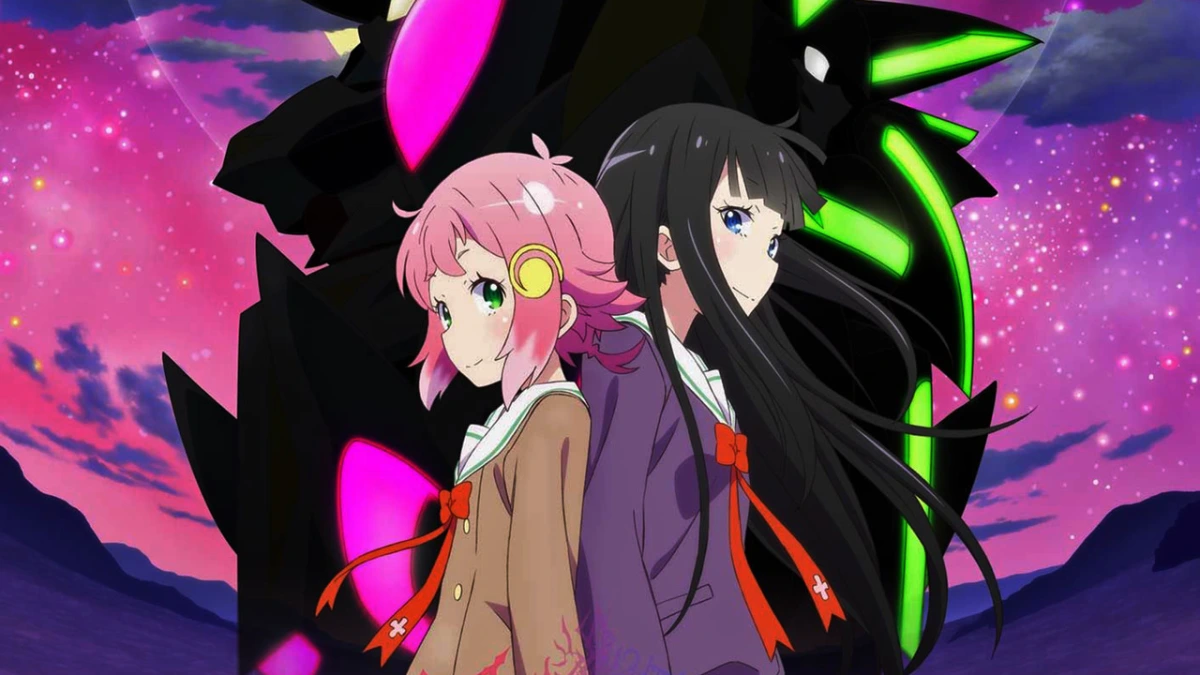
GRANBELM is almost an amalgamation of many different properties you’ve seen before: it’s as if Fate, Madoka, Ryuki, and Gundam were disassembled and reassembled into an entirely new show. Not that this is a negative to the show, it still stands out despite its obvious inspirations. If anything, the way it’s able to weave these genres is masterful.
I’ll be immediately honest and say that GRANBELM is an anime that feels completely catered to my tastes. It’s a battle royal with magical girls piloting mechas that espoused themes of predeterminism, the beauty of life, and self-worth. That’s what speaks to me. So, why didn’t I enjoy the show as much as I should’ve?
Let’s talk about it, starting with “magic.”
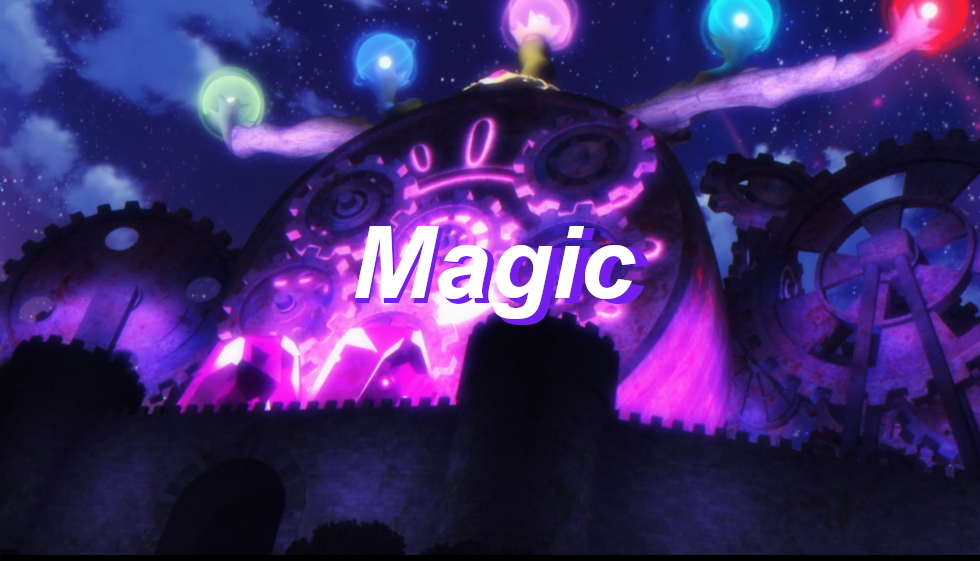
Magic in GRANBELM was created by humans. It had enriched their lives until it began to produce wars. Six mages worked to seal it inside Magiaconatus, a surprisingly active mcguffin. Now, a thousand years into the future since then, it’s wielded only by surviving mage families. All of these mage families have the singular desire to become the “Princeps Mage–” the true mage who wins the titular Granbelm and controls of all magic.
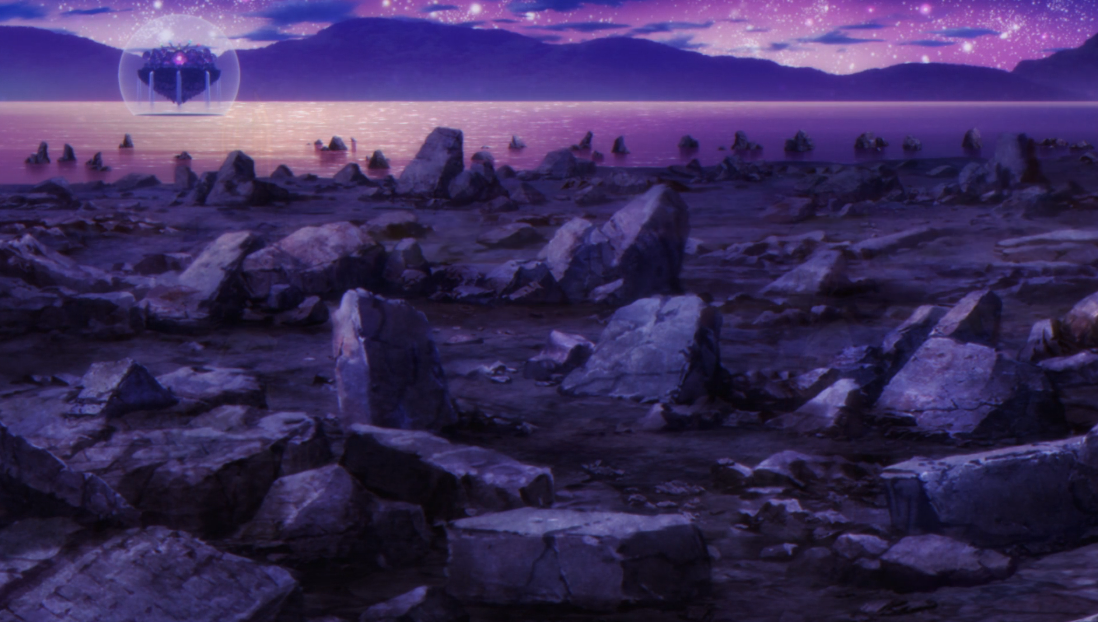
Magic as we first see it is completely destructive in nature. The Armanox–or the mechas– clash, shoot beams, and aim to destroy each other. The pilots aren’t much different with some exhibiting on pure bloodthirst. It’s our first visual introduction to the world of Granbelm. The setting of this premier fight is an empty zone with a lone castle. The start is telling us that the world is nothing but violence for a throne.
(I wanna make a quick note of saying that the arenas for the Granbelm rounds are a great way of showing where the characters are at mentally.)
A later showing has magic used in a conventionally positive light, encouraging the growth of plants. But, a character– the TRUE main character, Shingetsu Ernesta Fukami–provides an interesting perspective. By using magic, they stripped away the plants’ freedom to choose when they grow. Magic stole the future and forcibly chose how life would work.
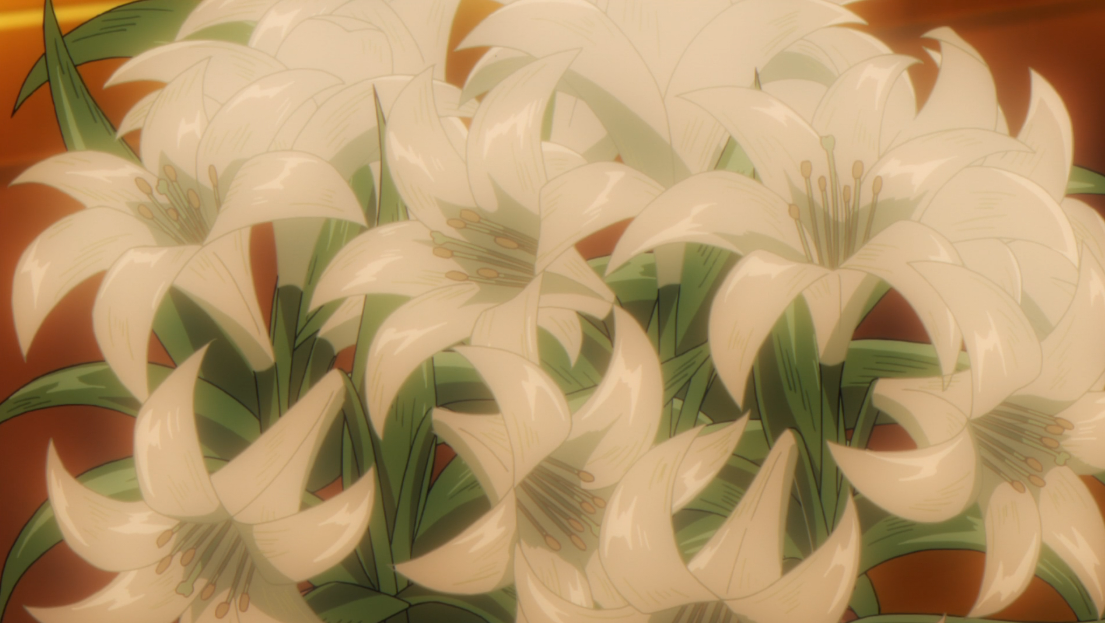
Every character interacts with magic, or the indirect effects of it, on a purely individual level. It’d be a mistake to say that any of the girl’s fight in Granbelm for a utilitarian purpose. It’s a universal human desire they all demonstrate, but it’s one fostered by magic. Whether they fight out of jealousy towards their magical superior, fight to save a cursed loved one, fight because it’s all they have, or even fight to destroy magic, it is all sourced in magic.
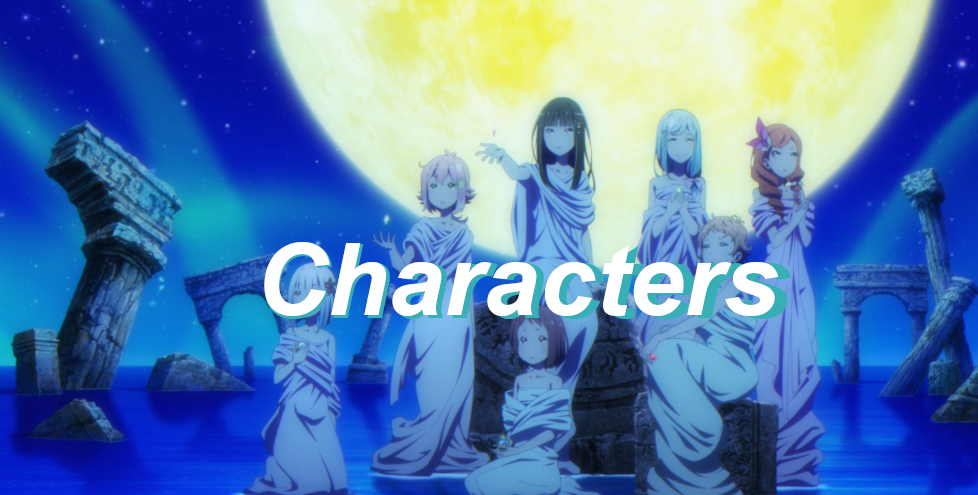
The characters are the primary means of which the story moves forward, which is self-evident due to its genre. But, it’s especially true in the case of GRANBELM which I feel perfectly split the time where the characters are free to interact and the time where they fight. The freetime does the best in building the main duo and showcases the more visually and narratively interesting, while also having the ability to host the show’s denser dialogue. It's also this freetime that allows us to breathe and soak in the town and world. Despite being normal, it comes off as more vibrant and colorful than the magical settings.
Let's dive a bit into the characters I want to talk about: Mangetsu Kohinata, Shingetsu Ernesta Fukami, and Suishou Hakamada. These three are the most blatantly controlled by Magiacanotus and expressive of the show’s themes:
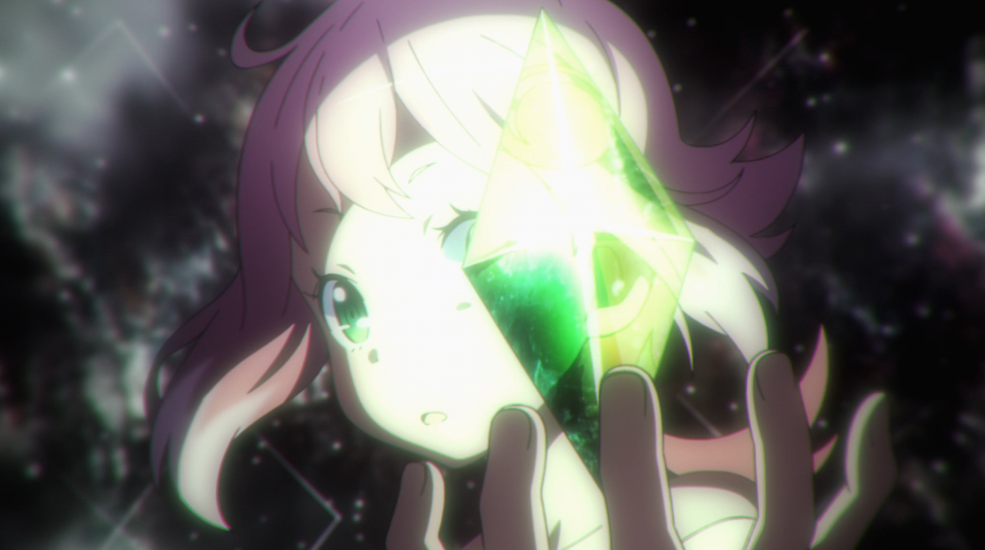
Mangetsu apparently has nothing going on for her. She isn’t good at sports or studies and believes no one would miss her if she were to disappear. When she enters Granbelm, she obtains a sense of purpose: fighting in the tournament is something only she can do. She further solidifies this decision in order to help Shingetsu accomplish her goal. It’s later revealed that Mangetsu never existed. She was a puppet constructed from Shingetsu’s wish for a friend. The reason she felt like she was nothing, could never make anything unique, and cooperated with Shingetsu was in her programming. She was created with a singular purpose. But, she’s the character to find the beauty in life and share it with Shingetsu. Without any pretenses, she looks up at the night sky and realizes it’s beautiful. If everyone’s gaze is locked onto some sort of power or desire, they miss out on some of life’s simple, elegant, and beautiful features.
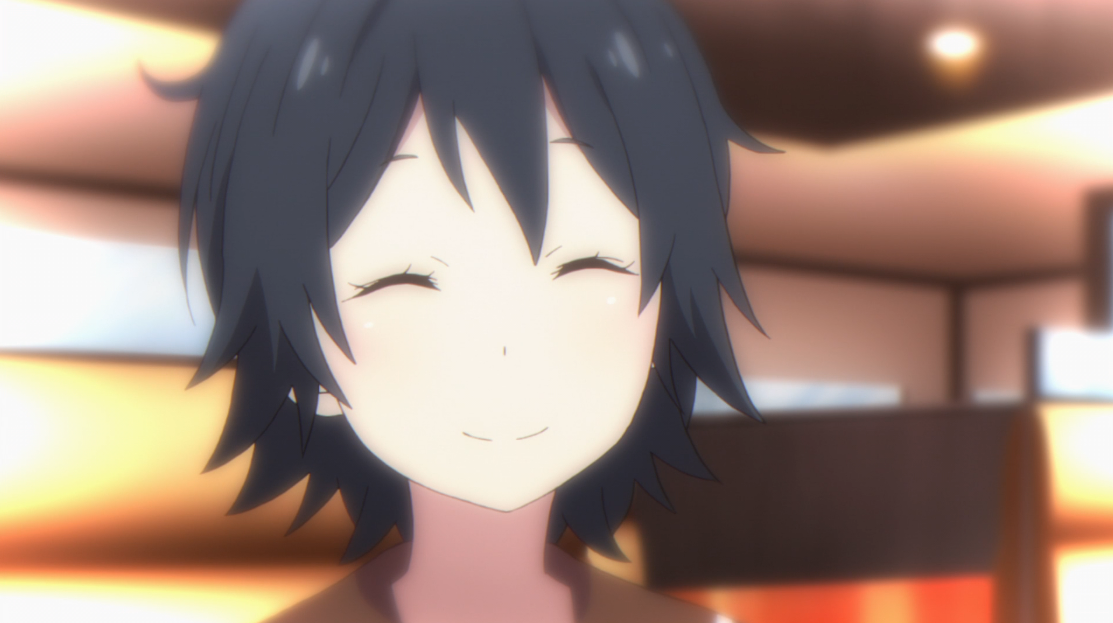
One of the best scenes in the show comes from a moment where Mangetsu talks about a conversation her classmates had. Despite the girl fading away from reality, her classmate remembered her and smiled at her. She wasn’t an important character by any means. But, Mangetsu’s existence was reaffirmed. Her life mattered and was noticed. Mangetsu had something.
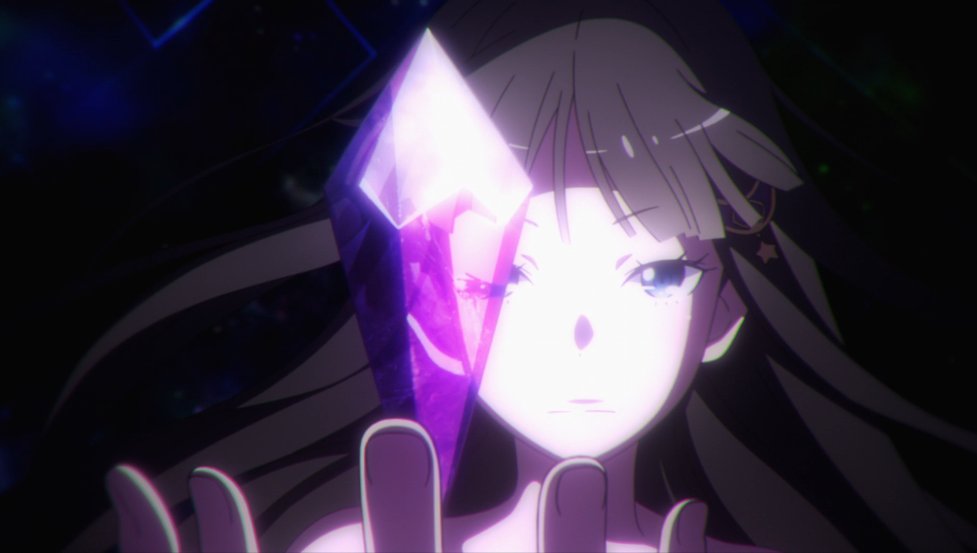
Shingetsu is chosen by magic. And she ironically chooses to destroy it, despite it being all she has. Her relationships were all born under magical contexts and some are destroyed the very same. She is, as I’ve noted, the show’s true protagonist. Out of the main duo, she is the active, purposeful member and faces the most acute struggles. Suishuo even reveals that she is the most favored out of all the mages Magiacanotus has ever blessed. The trajectory of her life has been decided for her by magic. And so she wants to destroy it, so everyone has access to a free life. It’s impossible to ignore that Magiacanotus continues to support her, as if it agrees with her worldview. With Mangetsu’s help, she learns to love herself and the world. Eventually choosing to maintain her selfishness.
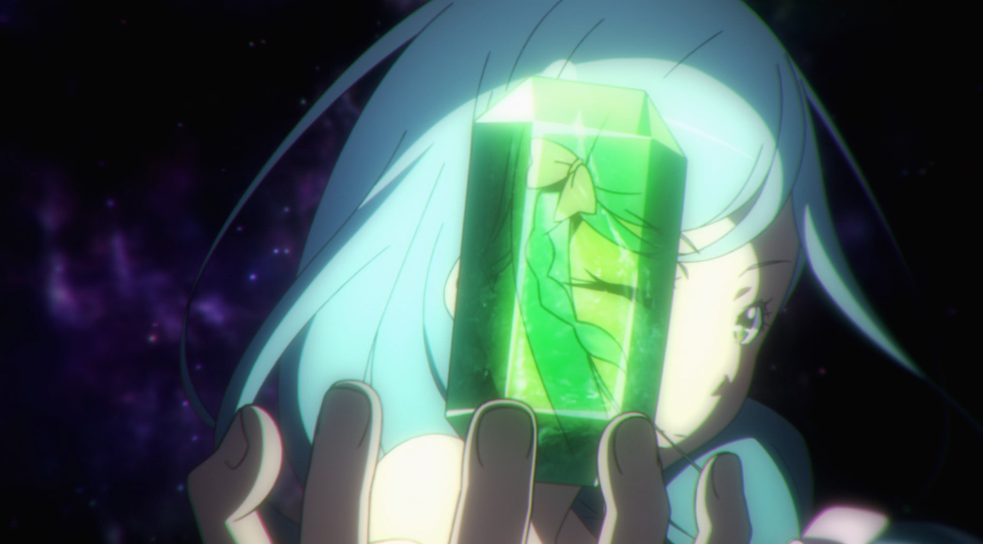
Suishou is the antagonist. Throughout the series, she’s manipulating others and hiding her true self. She breaks Anna and Kuon and is eventually the final opponent the main duo have to fight. In another case of irony, she reveals to be like Mangetsu–a puppet.. Suishou is the most interesting antagonist (Anna gets points for being in the show, though). She’s fought the battle for a thousand years and always won, but was never able to claim Magiacanotus. However, it chose her as a test. Anyone who could beat her would be capable of claiming it. She’s a set-in-stone final boss. And, her flaws are all projected onto Mangetsu. She constantly berates the doll and forces in the fact that she wasn’t real and her ambitions were decided. She violently forced her own inhibitions onto someone made similarly to her. She’s stagnant and entrenched in magic, unable to free herself of its corrupting worldview and pay notice to anything else around her.
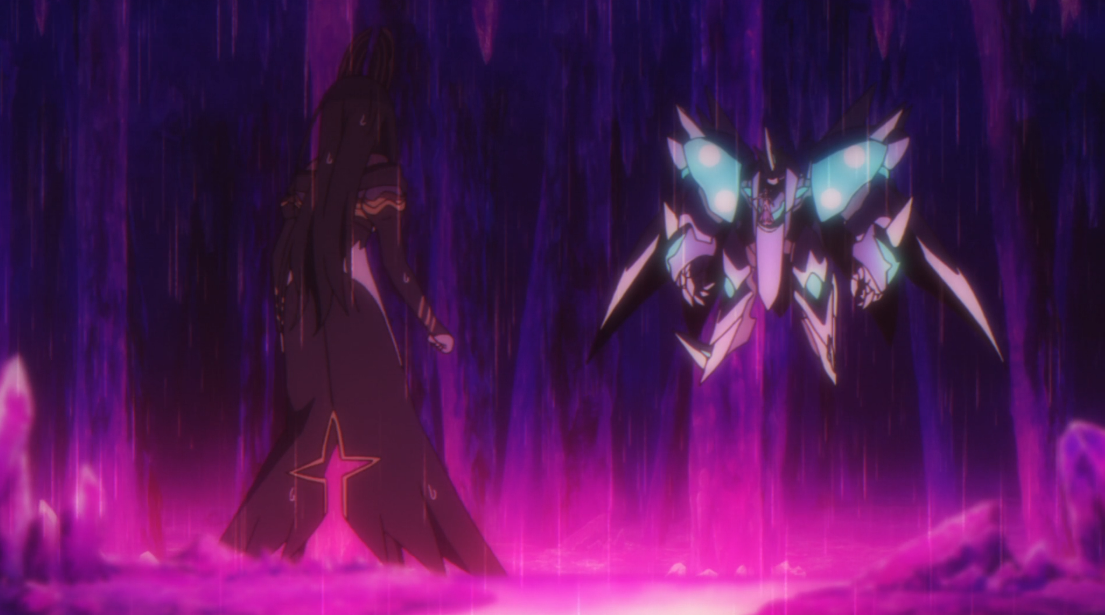
It’s a very simple dichotomy in the worldviews being presented, but I believe the show handles them incredibly well despite Suishou’s late revelation. They best represent characters consumed by the world of magic, while also showing the divergent viewpoints attainable for people who seek something outside of it.
(The show plays with the concept of dolls a bit as just another expression of freedom and predeterminism. An interesting line suggested that the Armanox and their pilots had the inverse relationship of what was originally thought. It’s another way of saying that magic has control over their lives and selves.)
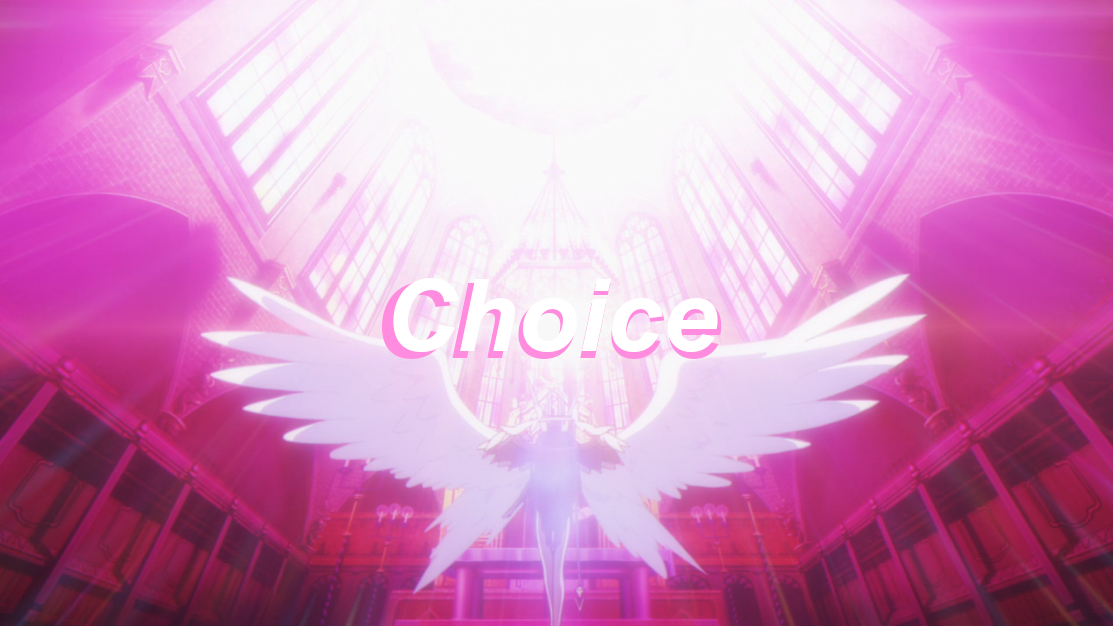
Yet even with all this, Shingetsu still makes a choice that feels full of her own passion. She chooses to go with her plan to destroy magic, which would even negate the lives of those who lost the tournament, erase Mangetsu, and put her in an infinite state of limbo. It’s a horribly selfish conclusion but she chooses it with a new perspective. Now, she has the time to do so much of what life has to offer. It’s poignant, it’s awful, but it’s oh-so inspiring. As I watched, I was silently hoping she would stick to her decision, knowing I could never bring myself to do the same. She would isolate herself forever while erasing every connection she made. But, she found ways to enjoy herself in spite of that. The scales of moral ambiguity are so unbalanced here you can’t help but keep thinking about her decision. But, it’s her decision and we have no place in the matter.
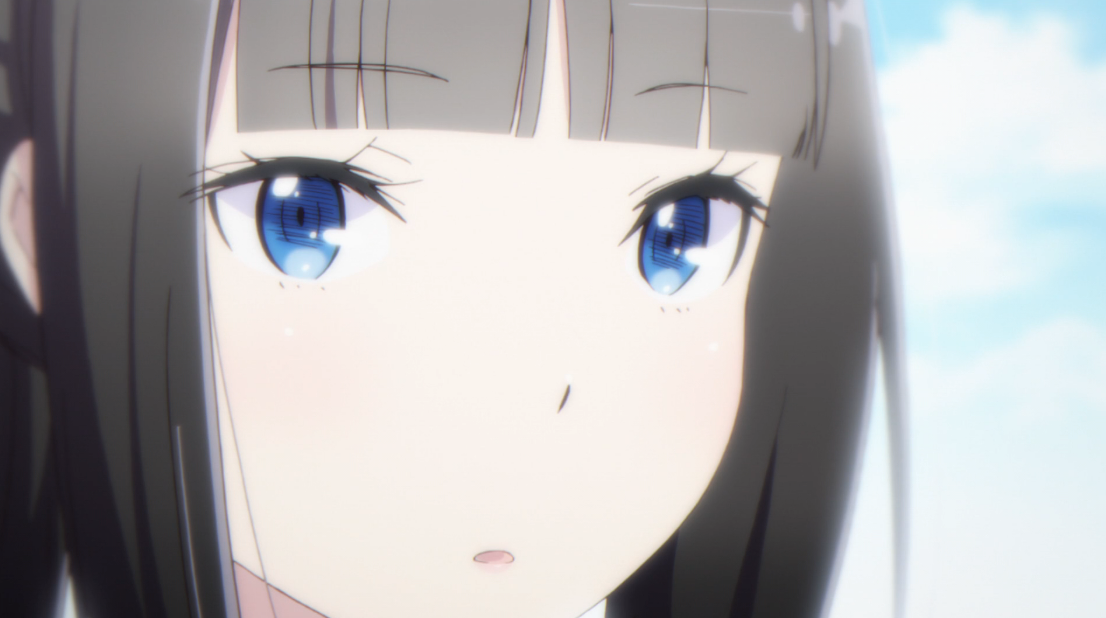
I can’t leave without talking about the final scene though. How horribly cruel I thought it was when I saw Shingetsu’s existence validated and her ethereal form became so much more corporeal. But, I was thinking about the mages when in that moment there was just a lonely girl given life by her friend. Her existence, her life, her very being were noticed and appreciated and it doesn't matter how unfair it was to anyone else.
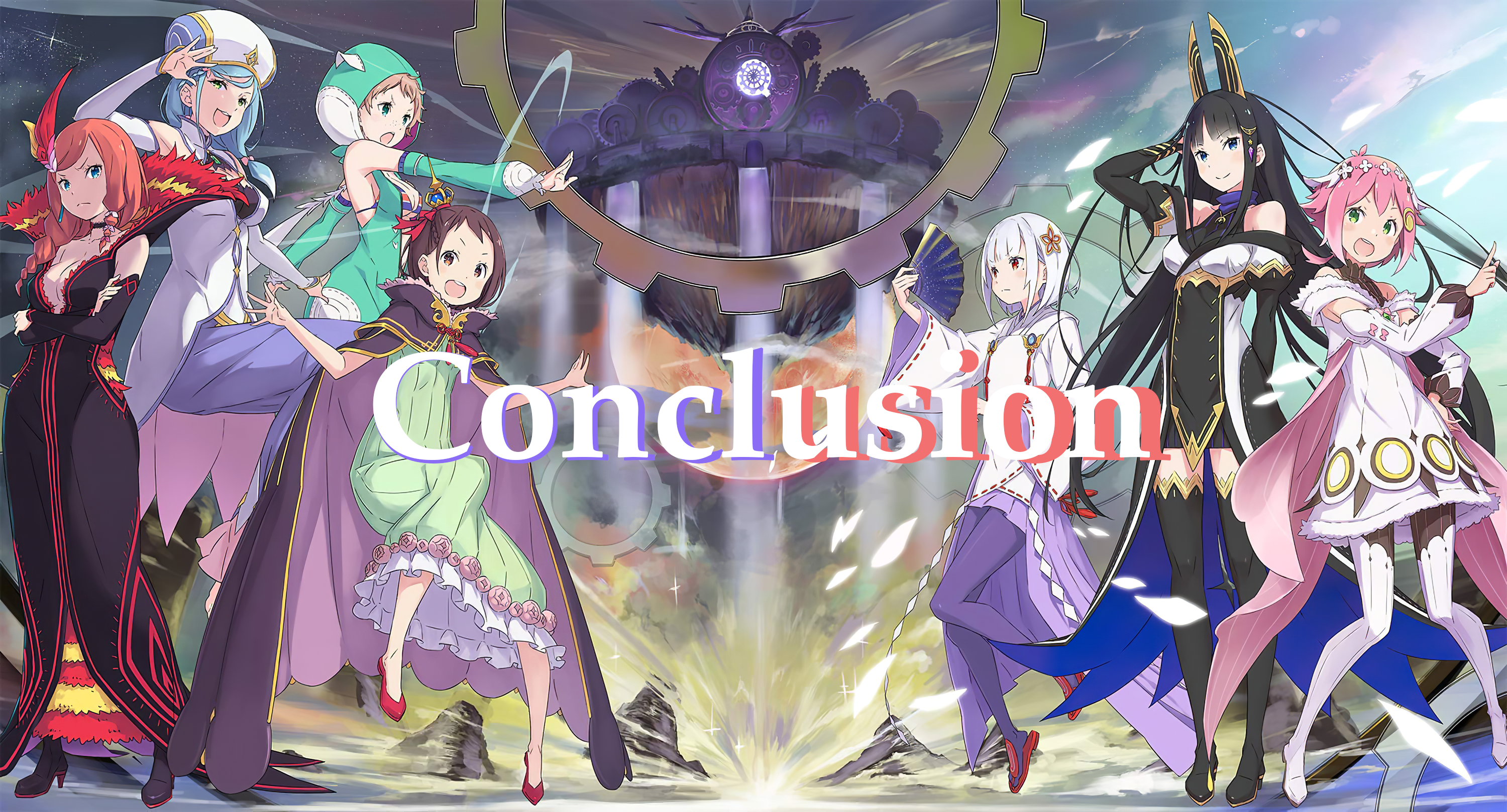
Now, I’ve hopefully driven across some of the thematic depth the character’s provide for the show and how the conclusion strikes you. Because, I have to talk further on how I felt watching the show. I could see all the bits and pieces working in tandem for the experience. I understood the character motivations and foreshadowing. The show was well-crafted, even on the production side. Looking back, I can even find some subtle pieces of visual storytelling that blows my mind.
But, why didn’t I love it as much as I should have?
I can say that some characters outside the three discussed lack the depth needed, the fight scenes were unclear, or that magic as a concept was wholly underdeveloped. All of these are valid concerns, but they aren’t right for me. I think it’s because I didn’t watch GRANBELM at the right time. GRANBELM is a show that matched me aesthetically, but I haven’t reached the point where I can completely relate to it. If I were in a mindset where I’ve lost myself in illusions or felt my life was meaningless and purposeless, then I’m sure GRANBELM would have reached me. Giving my experience a number is a bit tone-death, but I can appreciate the work for what it is and what it was trying to do. And, I suggest anyone who either appeals to my aesthetic or needs an anime like this in their life to definitely give the show a try.
There's a lot of things I also want to talk about further, like how Granbelm is essentially a ploy to destroy magic or going even further on the impact we leave as people. But, I'm not equipped well enough to try and tackle it here. All I can do is choose to end my scattered, little thoughts with the following image.
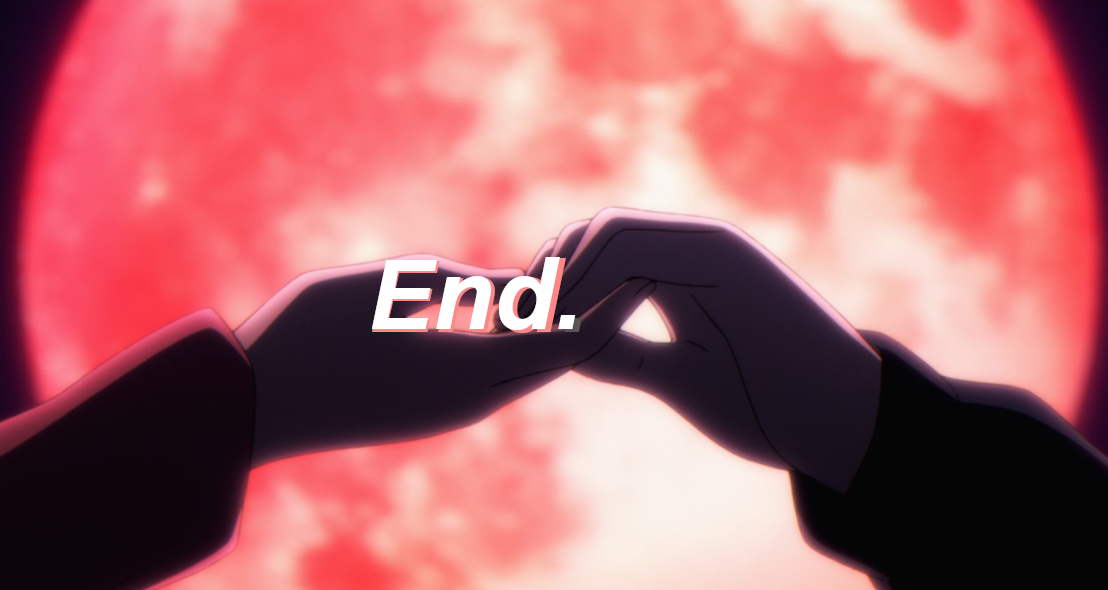
(This is my first Anilist review, hope it's not too bad.)
SIMILAR ANIMES YOU MAY LIKE
 ANIME ActionSSSS.GRIDMAN
 ANIME ActionMahou Shoujo Site


SCORE
- (3.15/5)
TRAILER
MORE INFO
Ended inSeptember 27, 2019
Main Studio Nexus
Favorited by 271 Users
Hashtag #GRANBELM