

ISEKAI SHIKKAKU
STATUS
COMPLETE
EPISODES
12
RELEASE
September 24, 2024
LENGTH
23 min
DESCRIPTION
Pulled into an otherworldly adventure with cute sidekicks and superpowers, you’d think Osamu hit the jackpot. Nope! From a time before pixels, the early 20th-century gloomy author just wants to find a quiet place to meet his maker, not to rack up XP. Sadly, his poetic demise is constantly thwarted by inconvenient heroics. Dive into the hilariously tragic life of the most reluctant hero!
(Source: Crunchyroll)
CAST
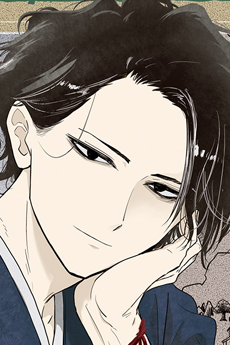
Sensei
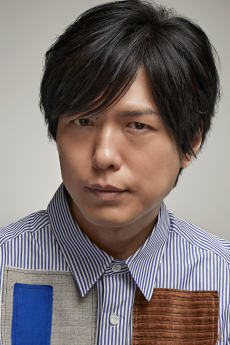
Hiroshi Kamiya

Tama

Sayumi Suzushiro
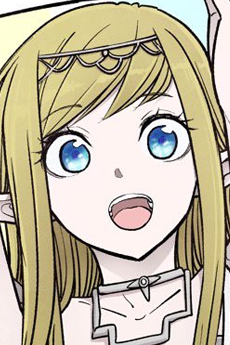
Annette

Rumi Ookubo
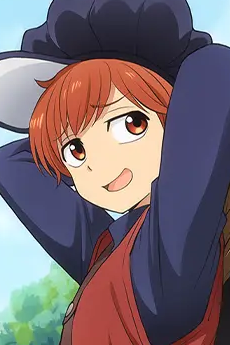
Nir
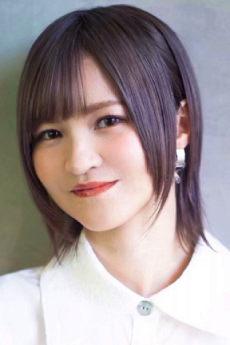
Makoto Koichi
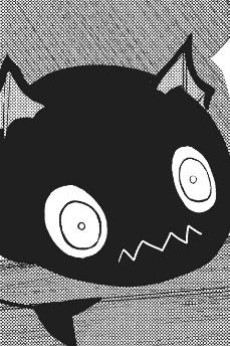
Melos

Hina Kino
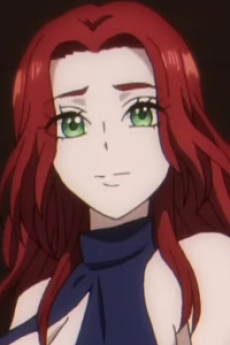
Esche

Mamiko Noto
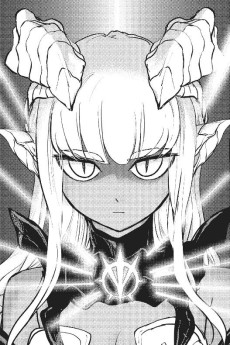
Waldelia

Aoi Yuuki
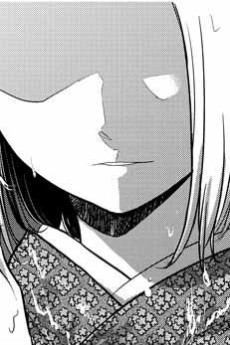
Sacchan
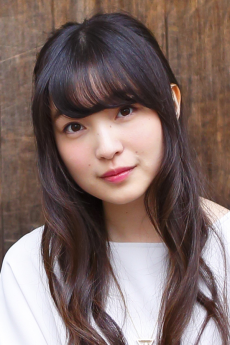
Reina Ueda
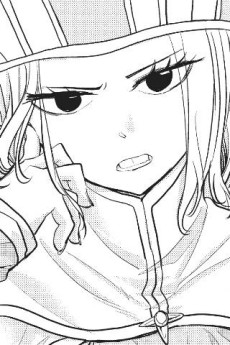
Ysha

Mai Nakahara
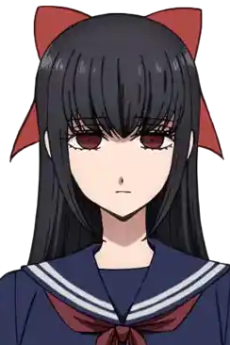
Yuriko

Konomi Kohara
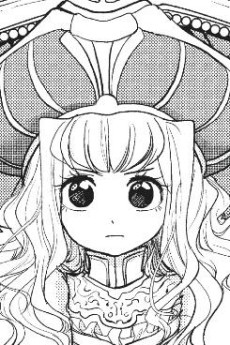
Charlotte

Inori Minase
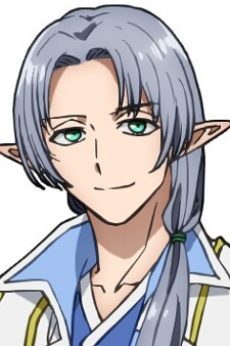
Wolf
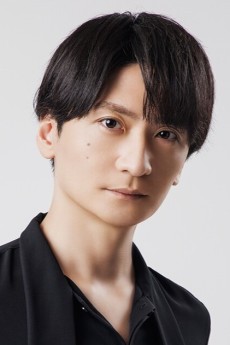
Nobunaga Shimazaki
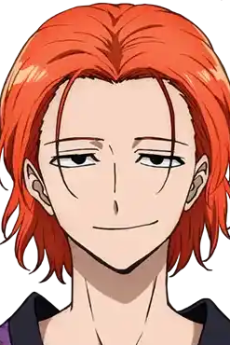
Kaibara
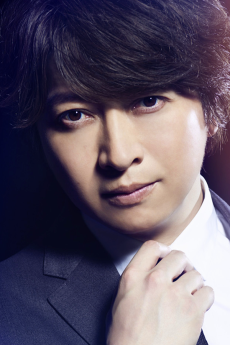
Daisuke Ono
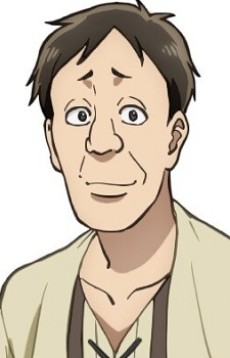
Saitou
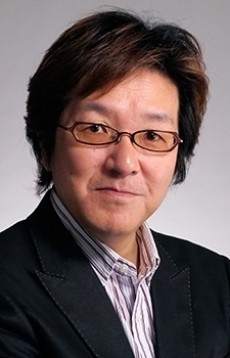
Yutaka Aoyama
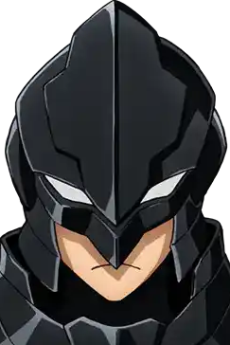
Sengoku
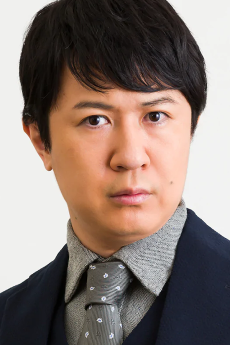
Tomokazu Sugita

Suzuki
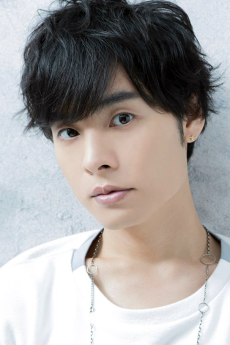
Nobuhiko Okamoto
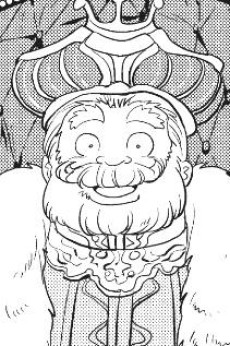
Thomas
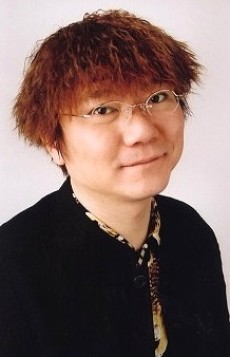
Chafuurin
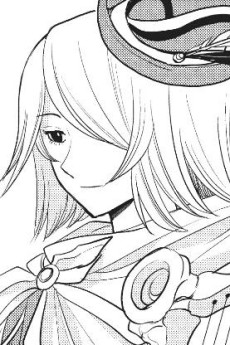
Otto
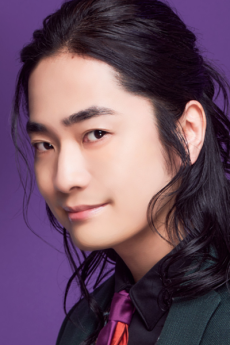
Jun Fukuyama

Aria
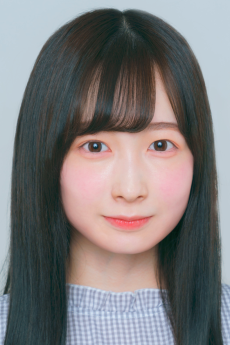
Saya Aizawa
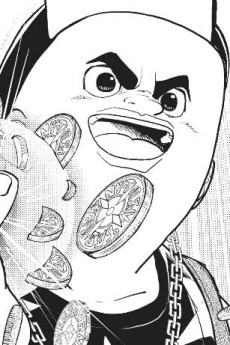
Koutarou
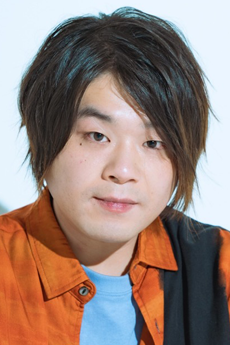
Yoshitsugu Matsuoka
Tooru
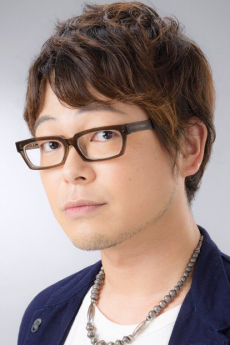
Kazuyuki Okitsu
Tuxedo no Otoko
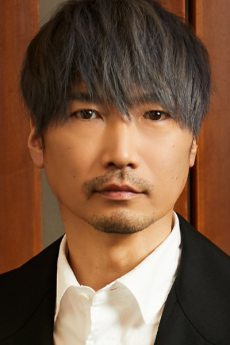
Katsuyuki Konishi
Elton
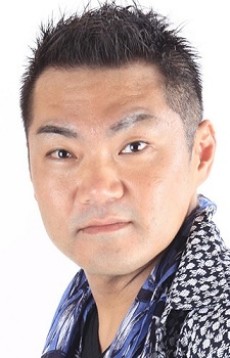
Kenta Miyake
Miller
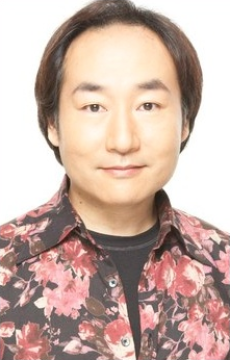
Nobuo Tobita
Kyoukou
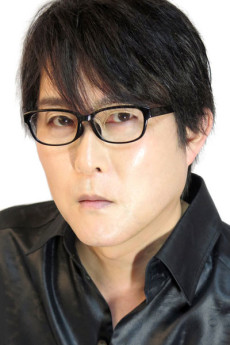
Takehito Koyasu
EPISODES
Dubbed
RELATED TO ISEKAI SHIKKAKU
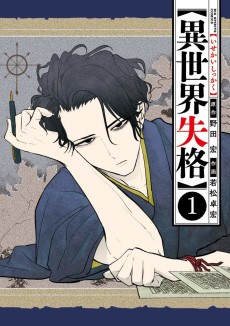 MANGA ComedyIsekai Shikkaku
REVIEWS

luxray978
Flawed Series with some interesting ideasContinue on AniListIsekai Shikkaku (No longer allowed in another world)
An interesting if controversial premise that like many isekai of this style fails to fully capitalize upon it. However, It happens to be a concept that personally appeals to me quite a bit and it doesn’t fall flat on its face like so many of its compatriots. It manages to at certain points tell a somewhat poignant story that it blends with dark comedy even if other times one portion overpowers the other leading to disaster. For this reason I am rating Isekai Shikkaku as a 7/10 on the anime scale.
The comedy in this anime generally comes in a few forms, someone threatens sensei, sensei carries out an unexpected action, or one of the female characters is in love with him. I think it’s somewhat impossible to classify comedy as good or bad so I will just say my opinion on this and not factor it into my rating. I found the threat bits to generally get a light chuckle from me if they were integrated into the scene well, the unexpected actions ranged from an eyeroll to an actual laugh (rare for me!). The women in love with him bits were, as I think anyone who knows me would expect, completely uninteresting to me and I found them very annoying.
Following from the comedy's use of women the show has a baffling mix of some of the best (low bar) handling of women's issues in an anime to aspects I find annoying and off putting. The first thing you would notice upon watching the show is the truly terrible female character designs. There’s no defense for this, I don’t know why they did it, it undercuts the show’s messaging a lot and is a real shame considering that I think many of the other designs are pretty okay-good. On the positive end the show frequently touches upon women's issues from ostracization, marriage inequality, and the negative impact of traditional female roles. Reading some of Dazais’ work it’s clear this is drawn from his interest in the lives of women which he writes about frequently, Schoolgirl and the setting sun touching upon similar topics as seen in the show. Regardless it’s good, anime should do this more!
To theorize a bit more on the designs it’s very possible they are derivative of the worst aspects of the show. It’s clinging to isekai tropes, the more it tries to commentate on these directly or interact with them the worse it gets for it. The show is at it’s absolute best with simple character interactions and observations of humanity in the style of Dazai’s bibliography and it’s lowest when discussing chosen ones and magic swords. This habit is probably the source of the over saccharin and strange plot points which occasionally pop up throughout the anime. One of the worst of these is the rapping character who appears about midway through and isn’t utilization besides to commentate on isekai powers.
If you’ve made it this far I can now address the elephant in the room, the pretty big controversy over Isekai Shikkaku being made in the first place. The open question is it disrespectful to the memory of Osamu Dazai who himself died of suicide to create a character that is similar to him and draws from his literary works in this way. Reading through his works as I worked my way through the show I’m not so sure that the main character of Isekai Shikkaku “sensei” is intended to be Osamu Dazai himself. Dazai would frequently include gloomy suicidal or otherwise depressed writers through his works which while similar to him were in my opinion not supposed to be him, writers write what they know. If you accept this to be the case I think a possible intention of the writer may have just been to create a character in his style in which case I think that’s basically fine. The consumption of sedatives in harmful amounts being tied to a desire to not feel fully healthy is very similar to the activity of Naoji from setting sun for example.
Edit: A friend has pointed out that date at the start of the manga aligns with Dazai's suicide. This is pretty unfortunate and I still stand by what I said here about how the character is treated within the work. Maybe I'll return and write a bit more about what I think his personal thoughts on that would've been but that seems like a very fraught topic. Much of the discussion over his feelings about himself assume short story characters are self inserts which I strongly disagree with.

OtakuUnderground
A thought-provoking, humorous deconstruction of the isekai genre with average visualsContinue on AniListThe isekai sub-genre has a plethora of stories revolving around people being summoned to a different world to defeat an evil entity and fulfill their role as the chosen hero. There are a myriad of different takes on this tried-and-true concept with each author adding a unique hook to capture the interest of potential readers. Atelier Pontdarc's adaptation of Hiroshi Noda's manga No Longer Allowed in Another World is one of the most fascinating spins on this familiar plot I've seen in quite some time.
The show centers around a reknowned author simply referred to as "Sensei" who is sent to another world moments before he and his lover Sacchan can commit suicide together. When Sensei awakens, he's greeted by an elven bishop named Annette who informs him that he's been selected as a hero tasked with saving the land of Zauberberg from the Dark Lord. To her surprise, Sensei is unenthusiastic about his current situation and annoyed that his suicide attempt was thwarted. Opposed to the idea of trying to save her world, he leaves the sanctuary to find a place to kill himself. After encountering a demi-human woman and inadvertently saving her from a monster, Sensei suddenly remembers that Sacchan was with him before they were summoned to the other world. Determined to find his beloved, Sensei embarks on a journey with Annette and the tomboyish demi-human they begin calling "Tama". The trio are later joined by Annette's servant Melos and a swindler orphan boy named Nir.
Noda has crafted a vastly different story from the usual narratives seen in a lot of other run-of-the-mill isekai anime. Although it may contain some commonly used tropes, the series mostly breaks away from the conventions of the genre. Similar to many of its contemporaries, this show's fantasy world functions a lot like a Role-Playing Game. Every person and monster has its own set of quantifiable stats and can get stronger by leveling up after gaining enough experience. In many isekai series, the main character is overpowered and oftentimes possesses some kind of special ability or "cheat skill". That isn't quite the case with this anime's protagonist. Sensei is incredibly frail and at first doesn't appear to have a powerful skill referred to as a divine gift. Due to how weak he is and his own lack of self-preservation, Sensei's companions are constantly stepping in to protect him whenever he's in danger. The dynamic between him and his allies is a far cry from what you'll typically see in many other isekai series, especially those that lean into being more of a power fantasy anime. He's way more reliant on his friends than most protagonists in the genre, which is a welcome change of pace from the norm.Sensei is essentially the antithesis of a typical isekai lead. He's not driven by the usual motivations that many main characters in the genre traditionally are. Ordinarily a protagonist would be striving to survive the unfamiliar world they've been summoned to, attempting to find a way home, or trying to live a better life than the one they previously led. However, in this case Sensei's only desire is to die, preferably by committing double-suicide with Sacchan. In addition to being incredibly weak and having an abnormal goal, his personality and general attitude is radically different from the majority of main characters in the genre. Sensei has a rather gloomy disposition and is quite eccentric. Throughout the show, the character inhales a dangerous amount of sedatives in an effort to help him cope with his unhappiness and possibly kill himself in the process. The scenes where he's snacking on calmotin like its candy or recklessly ingesting poison are often played up for laughs and were genuinely funny. This series has a lot of dark morbid humor involving Sensei, which I think was handled very well. For instance, there's some really great sight gags involving him and coffins that had me cracking up.
Putting the comedy aside for a moment, the author's depiction of depression through Sensei's behavior was pretty good. I appreciate that he wrote the protagonist with some nuance and avoided making him a completely one-note character. Although Sensei can be quite despondent at times, there are numerous moments throughout his adventure where he experiences these temporary flashes of excitement or intrigue. This usually occurs when he encounters another person from his world or instances where someone threatens to kill him. Sensei is a man that welcomes death with open arms—that relishes the thought of being executed, yet he manages to crack a smile and chuckle occasionally. I like that Noda wrote him this way because depression works like that for many people. Sensei suffers from what is referred to as "atypical depression", in which the afflicted experiences brief instances of joy whenever something good happens. The character also exhibits other symptoms of atypical depressive disorder, such as leaden paralysis, which causes a person's body to feel unusually heavy. Noda made a wise decision when he chose to depict this particular form of depression. It allowed him to convey a broader range of emotions with the protagonist without compromising the authenticity of this portrayal of mental illness. I really appreciate that the author doesn't shy away from this show's heavier themes like depression and suicide. Instead, he offsets these darker topics by inserting a lot of humor throughout the series.
One of this anime's greatest strengths is without a doubt its comedy. This show was way funnier than I expected it to be. There's stuff in here that when I think back on it I can't help, but burst out into laughter. Noda really excels at setting up jokes and having them come in when the audience least expects it. A good example of this would be the running gag where Sensei goes missing and always returns to his friends with a strange woman. Each time the viewer is tricked into thinking he's alone because the other character is either hidden somewhere out of frame or around him until they're revealed seconds later. The reactions of Annette and the others during these scenes were fairly amusing. Something else Noda is very proficient at is incorporating different kinds of humor into a scene. I was particularly impressed by how well he utilized the protagonist to deliver moments of dark comedy. For example, the author leans into the irony and weirdness of Sensei casually laying in a coffin with a smile on his face. Moreover, Sensei's peculiar fascination with death is frequently mined for laughs whenever he expresses his desire to die around other characters. The awkwardness, confusion, or worry they exhibit in response to his comments is part of what makes these moments so funny. Dark humor aside, some of this show's most humorous scenes contain some kind of visual or physical gag. Noda's comedic prowess really shines during some of these sequences. I won't spoil it here, but the season finale had a fantastic sight gag involving a statue that was really creative.
Another notable highlight of this anime is its mature, unconventional story. This show has a very interesting narrative that moves along at a decent pace. Noda gets a lot of the character introductions and world-building out of the way early on without disrupting the flow of the story. The events of this series were mostly unpredictable and there were some great plot twists throughout the season. Generally speaking, Noda subverts the audience's expectations in fun and interesting ways all the while masterfully exploring the narrative's central themes through the collective stories of the cast.
The show dedicates an adequate amount of time to developing the characters and gives several of them the chance to grow from their experiences. Nir matures the most out of the entire cast, turning away from his life as a cowardly con-artist and striving to become a courageous warrior worthy of the sword he carries with him. On the other hand, Tama is arguably the most fleshed-out character in the series. The focus shifts to her in episodes six and seven, which delve into much of her backstory. Annette's story of newfound freedom and love for Sensei isn't as strong as Tama's identity struggle, but its enough to add some depth to the character. As for Sensei, he doesn't have a significant arc like Nir nor is his past elaborated on to the same extent as Tama. That said, the character does change over the course of his journey, though I'd say its a lot less pronounced than other characters due to his usual melancholic mood. Furthermore, viewers are given more insight into who the protagonist is and his past through the little tidbits he shares with those he meets during his travels.Character building aside, I really enjoyed the main cast and their interactions with each other. Noda perfectly balances out Sensei's often dour mood and eccentricities with the distinct personalities of his companions. In particular, Tama's more upbeat attitude makes her a fine contrast to Sensei. Generally speaking, the writing for these characters was excellent! Noda designed each character’s dialogue to be both engaging and uniquely fitting to their personality. More notably, the author skillfully uses their unique stories to explore and reinforce certain ideas regarding the show's more philosophical themes.
The core themes of destiny, fate, and free-will permeates the anime's 12-episode season. Noda makes his stance on these subjects abundantly clear by the the fourth episode. One's future isn't bound by the whims of fate. You're in control of your own destiny and have the right to live freely—unrestrained by the expectations of those around you. At the same time, you cannot change someone else's nature nor can others dictate who or what you can be. In short, an individual's life is defined by their choices and those decisions are solely theirs to make. Throughout the series, the author emphasizes these points through some of Sensei’s dialogue and the individual storylines of the cast. This is done in a way that doesn't get repetitive or seem too heavy-handed. In addition to exploring the show’s various themes, Noda also presents characters and scenarios that may cause the viewer to question certain genre tropes.
No Longer Allowed in Another World is essentially a deconstruction of the isekai genre that boldly challenges the notion of hero summoning and showcases the potential issues that could arise because of it. Not only does the series smartly question the morality of the practice, but it also rightfully calls it out as being a presumptuous and selfish act. Moreover, Noda illustrates how the immense power often granted by cheat skills could corrupt a good-natured person or be misused for personal gain. The harsh realities of hero summoning is brought to light as Sensei's group crosses paths with others from his world.As Sensei and his comrades travel across Zauberberg hoping to gather information on Sacchan's whereabouts, they come across other people that were summoned from his world as hero candidates. Often referred to as "otherworlders", many of them abuse their divine gifts to fulfill their own selfish desires and have started to wreak havoc throughout the world. Episode five establishes the main conflict involving the Dark Lord's daughter Waldelia and a group of otherworlders called, "The Seven Fallen Angels". These individuals want to reshape the world into their ideal utopia and are opposed by the Church of Hellsehen, which Annette was previously a member of prior to abandoning her job to travel with Sensei. Each of The Seven Fallen Angels are themed after one of the seven deadly sins and their powers are a twisted manifestation of a desire or issue they had in their previous life. For example, The Fallen Angel of Gluttony, Kaibara, has the power to gain the abilities of anything he eats. This divine gift totally fits the character's joyless backstory, which I won't get into for obvious spoiler reasons. Kaibara's story is one of several that Noda uses to illustrate how a cheat ability can lead someone astray. It also serves as a perfect example of why setting someone loose in a fantasy world with an overpowered skill probably isn’t a good idea. For someone with issues like him, too much freedom might be the worst thing for them.
Folks like Kaibara are characteristically unfit for the calling of hero and have been labeled as "fallen otherworlders" by the church. Noda generally depicts fallen otherworlders as arrogant, greedy, self-centered, pretentious, and downright immoral individuals. The author uses these characters to illustrate the potential disruptive impact an outsider from another world could have on the citizens of a foreign land. Episode ten shows how someone transported to another world might corrupt its society by introducing ethically questionable customs to its people. Noda basically subverts a common trope in isekai anime where the main character takes an idea from their world and implements it there. Typically, the inhabitants of the land are astonished by whatever the protagonist has produced and eventually integrates it into their daily lives. In this case, a group of fallen otherworlders have occupied part of a small town near the World Tree and have started running several businesses there. Much to the disapproval of its residents, they've created a casino for gambling, a bar for drinking, and have even turned a profit selling the leaves of the World Tree for people to smoke. All of this sinful activity at the cost of the peace and mind of the townsfolk has caused the tree to begin withering. I appreciate that the author highlights how an outsider from a different world could bring in or replicate something from their world that could have an adverse effect on the environment. While Noda presents a compelling argument against hero summoning through the deplorable actions of fallen otherworlders, it's worth noting that there are many instances where he doesn't portray someone from Sensei’s world in a negative light.
There are very few otherworlders of upstanding character that Sensei and his friends meet along their journey. Unlike the others they've encountered prior to meeting him, the self-righteous otherworlder Yamada completely embraces the role of hero and genuinely wants to help the citizens of Zauberberg. Without getting into spoilers, this character shows how someone could potentially make a world worse in spite of their good intentions. The actions of both Yamada and another virtuous otherworlder (whom I won’t spoil) demonstrate the possible pitfalls one might encounter while striving to do good in another world.
Noda's take on hero summoning and numerous isekai tropes is pretty cynical and pessimistic, but the scenarios he presents seem very plausible. By looking at familiar genre tropes in a realistic manner, the author brings to light the many potential problems with them. Overall, I really enjoyed the deconstructive aspect of this anime and I think it was handled adeptly. One thing this show brought to my attention was the simple fact that in many isekai stories the people transported to another world have been robbed of a normal life. The story of the Fallen Angel of Greed made me realize that characters from other series, like Arifureta or My Instant Death Ability Is So Overpowered, have also had their youth stolen from them. Instead of enjoying their lives as high school students, the children are either forced to survive a harsh unfamiliar world or fight evil forces on behalf of people they have no prior connection to. Many of the protagonists' classmates in both of those series had their lives ruined and would've been better off in their own world, but I digress.
Writing-wise, I think the author has done a remarkable job as far as the narrative is concerned. While I didn't notice any major plot holes, there are definitely a couple events that one could nitpick, such as a certain moment where a character just suddenly shows up when Sensei's group are in dire straits. Even in that situation, you can kind of rationalize how they knew to arrive there, and it aligns with their overall motivation, so I consider it negligible.
Anyway, from a production standpoint, this series doesn't stand out too much from your standard seasonal isekai anime. Throughout the show, video game prompts reminiscent of old-school RPGs are displayed, often for comedic effect. I thought this element of the presentation was executed fairly well as they managed to capture the spirit of retro games like Dragon Quest. Also, the running gag with Sensei being given a binary choice never got old. That being said, the most impressive element of this show from a visual perspective are the character designs inspired by Takahiro Wakamatsu's original artwork. Sensei's dark clothes, pale skin, and wavy black hair that droops down from his head perfectly fits with the character's typical mood. Apart from the series title, the protagonist's design caught my eye when I saw the manga while browsing online sometime ago. Animation-wise, the quality is generally solid, but not particularly flashy in regards to the fight scenes. Even so, the action was still pretty engaging.
In conclusion, No Longer Allowed in Another World is an intelligent, thought-provoking series that offers a refreshing twist on the cliche hero summoning plot while subverting and dissecting certain genre tropes. Its an awesome show with a well-rounded cast, great comedic scenes, and a strong narrative that tackles complex themes. While you likely won't be dazzled by its animation, the action is still fairly entertaining. I really liked this anime and I can't recommend it enough if you're a fan of the genre. Long-time isekai enthusiasts will appreciate the subversive nature of this anime and what it has to say about the sub-genre as a whole.
SIMILAR ANIMES YOU MAY LIKE
 ANIME AdventureIsekai Oji-san
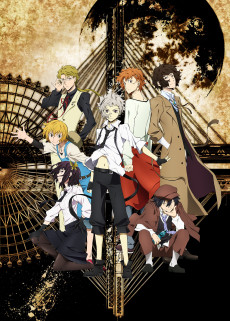 ANIME ActionBungou Stray Dogs
 ANIME DramaAoi Bungaku Series
SCORE
- (3.55/5)
TRAILER
MORE INFO
Ended inSeptember 24, 2024
Main Studio Atelier Pontdarc
Trending Level 2
Favorited by 1,698 Users
Hashtag #異世界失格