
ANNE SHIRLEY
STATUS
COMPLETE
EPISODES
24
RELEASE
September 27, 2025
LENGTH
24 min
DESCRIPTION
A new adaptation of Akage no Anne (Anne of Green Gables).
On the beautiful Prince Edward Island in Canada, an orphan named Anne Shirley is mistakenly sent to Green Gables, the home of Matthew and Marilla Cuthbert. They choose to adopt her anyway, as Anne finds friendship, love, and happiness in her new home. Come along for the story of a purehearted and imaginative girl growing up, leaving for college, and returning home a changed woman.
(Source: Crunchyroll)
CAST

Anne Shirley

Honoka Inoue
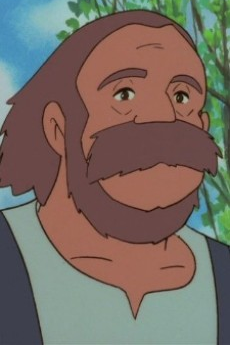
Matthew Cuthbert

Yasunori Matsumoto
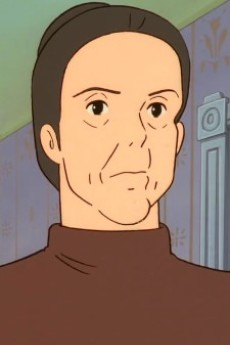
Marilla Cuthbert

Aya Nakamura
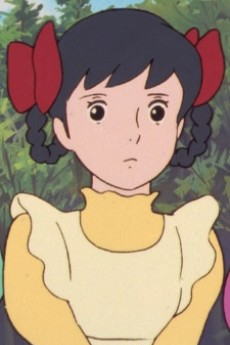
Diana Barry

Yume Miyamoto
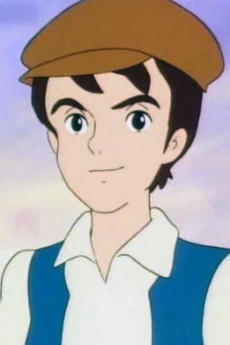
Gilbert Blythe

Naoya Miyase
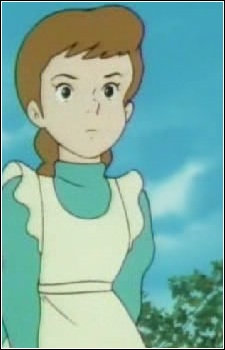
Ruby Gillis

Sora Amamiya

Philippa Gordon

Chika Anzai
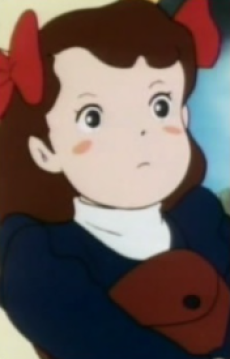
Minnie May Barry

Nichika Oomori

Lavendar Lewis
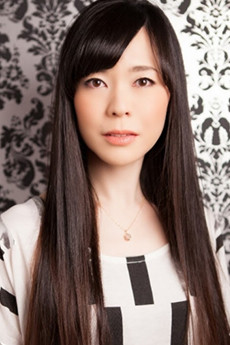
Mie Sonozaki

Dora Keith

Rikako Oota

Paul Irving
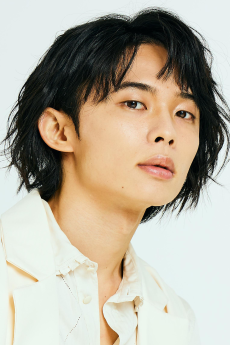
Reiji Kawashima
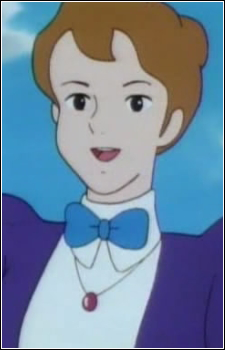
Muriel Stacy

Fumiko Orikasa

Charlotta Yon-sei

Marika Tachibana

Davy Keith
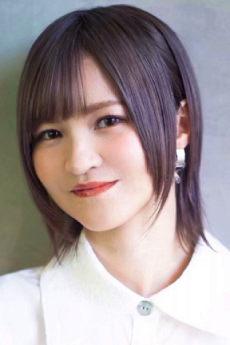
Makoto Koichi

Rachel Lynde

Kimiko Saitou

Stephen Irving

Masaya Takatsuka

Royal Gardner

Tokuyoshi Kawashima

Stella Maynard

Natsumi Takamori
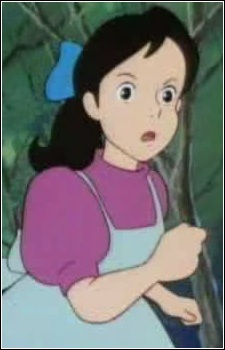
Jane Andrews

Sayaka Kikuchi

Priscilla Grant

Rina Honizumi
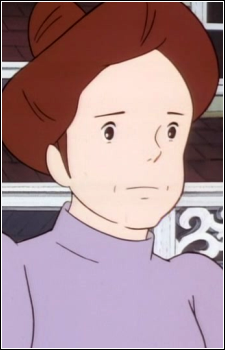
Spencer Fujin

Chie Nakamura
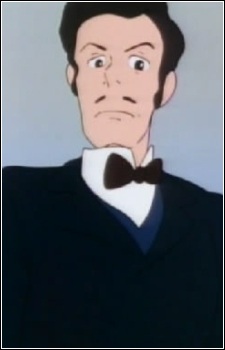
Teddy Phillips

Teruyuki Tanzawa
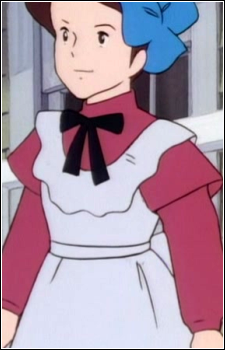
Flora Jane Spencer

Sayaka Senbongi
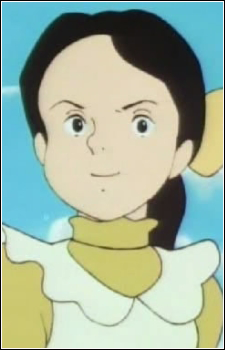
Josie Pye

Aki Sasamori

James A. Harrison

Hikari Oota
EPISODES
Dubbed
RELATED TO ANNE SHIRLEY
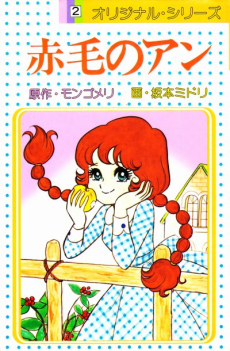 MANGA DramaAkage no Anne
 ANIME DramaAkage no Anne
 MANGA DramaAkage no Anne
 MANGA DramaAnne Shirley
 MANGA DramaAnne no Seishun
 MANGA DramaAnne no Aijou
REVIEWS

Matheusmiranda96
A grandiosidade das coisas triviaisContinue on AniListAos onze anos a pequena e orfã garota é levada de seu orfanato para o lugar que lhe prometera adotar como lar. Avonlea, um pequeno vilarejo na Ilha do Príncipe Eduardo, então colônia britânica.
A longa viagem, de charrete, da estação à vila, repleta das mais belas paisagens que a garota sequer pudera imaginar, além do longo período, levou consigo as esperanças de um futuro que não chegará a acontecer. Havia um tremendo engano.
Os donos da casa, os irmãos Cutbert, Matthew e Marilla, desejavam adotar um garoto para que lhe ajudassem nos trabalbos braçais da fazenda. No entanto, a diretora do orfanato lhes enviara uma pequena.
O trauma de sucessivas rejeições outra vez se repetia. O vermelho de seus cabelos não escondia os igualmente vermelhos de seus chorosos olhos.
Assim inicia a jornada de Anne Shirley com sua nova família.
Baseado na coleção de livros de autoria da romancista canadense Lucy Montgomery, a obra conta com jma série de adaptações para animações, cinema, séries em live action, dramas teatrais, além de contos póstumos.
Não é de meu interesse fazer comparações entre as adaptações. Tampouco dizer para que se consuma este ou aquele show. Como alguém que assistiu ambas adaptações para anime e leu o romance original, recomendo que consumam o material que lhe for de seu interesse.
Mais do que um mero, e quem sabe vago, juízo estético, atenho-me a discorrer uma reflexão sobre o conteúdo.
A única comparação que me permito mencionar é o fato de que o primeiro show adaptou, em 50 episódios curtos, os dois primeiros livros da coletânea enquanto o remake adapta os três primeiros em 24 episódios.
De fato, um tanto apressado mas nada que comprometa a experiência ou a narrativa. Mesmo porque, a quem desejar todas as nuances da escrita, existe o romance original.
Resolvido o mal entendido, os irmãos decidem por adotar a garota que finalmente poderá chamar um lugar de lar. E não qualquer lugar, Green Gables. Com suas longínquas planices esverdeadas, misteriosas florestas e céu arrebatador, o charmoso lugar de imediato conquista a garotinha que tão logo lhe chamara de lugar mais belo que existe.
Tão belo que nem mesmo sua inesgotável imaginação era capaz de torná-lo melhor.
Dividido em três partes, o enredo abrange os três primeiros romances: Anne of Green Gables, Anne of Avonlea, Anne of the Island.
A primeira parte cobre o início de Anne até o décimo quinto aniversário. Com seus primeiros anos na ilha, o relacionamento com as demais crianças e sua amada Diana Barry. As aventuras, teimosias, trapalhadas.
O segundo período, cobrindo dos 16 aos 18 anos, retrata a primeira grande mudança. Agora adulta, Anne abandona suas "palavras grandiosas", marca registrada dos anos de infância, marcando sua antiga personalidade fantasiosa e romântica, que perdia horas à fio idealizando o mais perfeito, ou poético, cenário de tudo o que acontecia.
Durante as tragédias que acompanham o período, os anos como professora da mesma escola em que estudara, moldaram os novos traços daquela menininha.
O episódio 12 retrata bem isto. Quem mais poderia se importar e demostrar amor para com os gêmeos abandonados se não aquela que foi rejeitada tantas vezes? Como rejeitar paciência e atenção quando antes se exigia os mesmos?
"Talvez nós amemos mais as pessoas que precisam de nós mesmos, não?"
O terceiro momento marca a nova mudança. É preciso deixar para trás os anos passados, as histórias e lembranças, aquele perfeito lugar, bem como todas as amarras que escondiam as inseguranças, para abraçar o futuro.
Anne parte para a faculdade. Pela primeira vez a jovem moça teria de pensar em si. É irônico pensar que a mesma pessoa, perdidamente sonhadora, temia as incertezas do futuro. Agora Anne precisava encaras seus idealismos e perceber que nem tudo se trata de contos e romances.
O surpléfuo e o trivial
A história expõe um dos principais problemas que a modernidade trouxe, a falta de sensibilidade para com as coisas belas.
Em um certo lugar haviam dois garotos, vizinhos, que, diariamente, conversavam, diante de seus belos jardins, como seria fantástico poder visitar os locais com as mais belas paisagem do planeta.
Certo dia, um homem que passava e ouvia aquela conversa, deu-lhes o poder para realizar aqueles sonhos. De imediato o primeiro pediu para ser um gigante capaz de atravessar continentes com alguns poucos passos. Quando tornou-se gigante o primeiro visitou todos os lugares que queria. Viu desertos e oceanos, foi ao Niágara e ao Himalaia. E por todo lugar que passara decepcionava-se. O Niagara parecia-lhe como gostas caindo de uma torneira, e enquanto o Himalaia era sem graça. Os oceanos lhe foram como poças dáguas após alguma garoa. E, por tanta angústia e decepção, não lhe sobrava mais nada senão esperar pela morte.
Enquanto que o segundo fizera o exato oposto, desejando ser o menor dos pigmeus. Sem entender o porquê de desejar ser menor que uma mera polegada, aquele homem questionou seu pedido.
De pronto o segundo argumentara que desta forma não precisaria sair ao mundo inteiro. Antes, aquela sua nova forma possibilitaria perceber a beleza contida naquele jardim que ele não tinha capacidades para perceber. E quando se esgotassem todas as belezas daquele jardim, haveriam os muitos outros ali resididos. E cada poça dágua seriam inexplorados oceanos para velejar, e o imenso céu ainda maior seria. E quantas outras belezas mais seus olhos poderiam perceber a partir desta nova perspectiva.
Foi a partir desta história que Chesterton, em sua coleção de crônicas chamada Tremendas Trivialidades, expõe como a modernidade, e sua busca desenfreada pelo progresso, roubaram do homem a sensibilidade de tudo.
A pressa pelo enriquecimento, as novas tecnologias com suas formas de entretenimento, os enormes edifícios e casas que visam somente a utilidade, a expansão do minimalismo, relativismo e suas novas correntes filosóficas, cegaram o indivíduo.
Acordar às 05:00 já pensando em pegar alguma condução às 06:00 para fugir de engarrafamentos, acomodando-se em algum assento para, com seus fones de ouvido, escutar as notícias do dia anterior. E repete-se este ciclo, diariamente, por anos até que não restem mais forças para trabalhar.
Este é o retrato do homem moderno, que trocou o cantar dos pássaros e os sons da manhã por buzinas; que trocou o aroma do orvalho pelo abafado dos ar condicionados; ou a glória do alvorada por telas de celulares.
O moderno perdeu a capacidade de se sensibilizar e refletir. A pressa modificou a percepção do tempo. Faltam minutos para contemplar as primeiras luzes do dia, sobram horas para acompanhar a série favorita. Desnecessário seria ler um poema, já que ocuparia o precioso tempo diário das redes sociais.
O progresso substituiu a beleza do trivial pela distração do surpléfuo.
E o ser humano não percebe como isto é prejudicial. Falta paciência, sobram estresses. Cessou-se a compaixão para que reinasse o egoismo.
Ao passo que diminuem taxas de adoção cresce o número de abandono familiar. A gentileza de dar o lugar foi substituída pelos inúmeros casos de brigas no trânsito.
A agitação da modernidade suprime a convivência para que o indivíduo tenha progresso. E aqui está o progresso: sete bilhões de indivíduos. Sete bilhões de "na minha opinião". Cada um tentando se impor.
O Transcendente deu lugar à distração.
E assim caminha o homem, adormecido de si mesmo, incapaz de perceber a mais trivial existência que existe. Ele mesmo.
Voltando à Anne Shirley, o show demosntra a trajetória de tudo o que se perdeu. O homem moderno conquistou todos os direitos que almejavam, todos os bens que sonhou, toda a riqueza e poder que existem, em troca do sentido da própria existência.
Enquanto a personagem principal, mesmo com todo sofrimento que passou, mesmo sendo traída pelo próprio idealismo, a todo momento manteve o seu motivo de ser: "Eu gostaria de embelezar a vida".
Talvez sejam meras palavras grandiosas. No entanto, não seriam, justamente, palavras grandiosas as que descrevem perfeitamente a beleza que uma simples trivialidade tem?
"O mundo nunca sofrerá com a falta de maravilhas, apenas com a falta da capacidade de se maravilhar."

Juliko25
Anne Shirley is a flawed but still enjoyable adaptation of LM Montgomery's classic novels. It just needs to slow down!Continue on AniListGuys, you all know by now that I love the World Masterpiece Theater, or at the very least, Japanese anime adaptations of Western children's literature. I've already gone on about how much I love Anne of Green Gables in my multiple reviews of the books and the 1979 anime...and I swear to God, the second I read that there was going to be a new Anne of Green Gables anime, simply titled Anne Shirley, I just about screamed. Seriously, was ANYONE expecting this to happen in the year 2025?! I sure wasn't! But boy, was I happy to check it out! I'm always down for more Anne of Green Gables, even if I had a feeling it wasn't going to reach the highs of the 1979 anime. But then I heard that not only was Anne Shirley going to be 24 episodes long, it was going to cover not just the first book, but the next two books, Anne of Avonlea and Anne Of The Island. I admit, I grew worried that the producers for this were going to compress three books into a format that wasn't going to work for it. Anne of Green Gables is a story that absolutely needs room to breathe, and the 1979 anime understood this to a T, which is why it's so beloved across the world. My fears would prove to be validated now that the show is complete. Don't get me wrong, I still really like Anne Shirley as a show, and compared to all the bad isekai slop that gets churned out, I'll gladly recommend Anne Shirley to anyone who'll listen...but the decision to compress three books into 24 episodes is the show's biggest flaw, not just in what it leaves out in the adaptation process, but the speed through which it covers the content and the results that came from doing so.
The story centers on two adult siblings, Marilla and Matthew Cuthbert, who live in a farm on the beautiful Prince Edward Island in the late 1800s. Matthew is getting on in years, so they decide to adopt a boy from an orphanage to have him help around the farm. Yeah, this was apparently a common practice in late 19th century Canada. But a miscommunication has them wind up with a girl, instead, and this girl—Anne Shirley—isn't any ordinary child. She's an outgoing, talkative, energetic red haired kid who loves to imagine things and is a romantic idealist despite the bad life she had up to this point. Although Marilla and Matthew do their best to bring her up, they can't contain her wild energy, and Anne finds herself in a variety of situations, like making friends, dealing with boys, learning things in school, wishing she could follow current fashion trends despite Marilla's distaste for anything extravagant and fashionable, and so on. One thing's for sure: Avonlea won't be the same with her around, and maybe this will prove to be a good thing for everyone involved.
For anyone interested, episodes 1-10 cover Anne of Green Gables, episodes 11-15 cover Anne of Avonlea, and episodes 16-24 cover Anne Of The Island. I do own and have read the latter two books in the series, but it's been years since I've read them. Now, there will be a lot of comparisons to the 1979 anime, and I hate to make comparisons to it because that series and Anne Shirley are two very different adaptations with different approaches to the books, so it's inevitable that there will be differences between the two. I don't even think Anne Shirley is a bad series, if my rating hopefully gives any indication. But in order to help you understand Anne Shirley's issues, comparisons to the 1979 will have to come up in order to illustrate the things that the 1979 anime succeeded in and Anne Shirley fell short in. One of those issues being, of course, the pacing. Yeah, in its attempts to cover three books in a 24 episode run, Anne Shirley speed runs through the books' content like a race car in the Formula One. Whereas the 1979 anime adapted one chapter per episode, Anne Shirley opted to have a single episode cover four whole chapters each, and because of this approach, it often feels like it doesn't leave itself any time to settle down and let things breathe. This is unfortunately the show's biggest problem, and this single issue's effects are completely entrenched in everything about the series.
Because the producers want to cover three books instead of one, of course there's going to be a lot that has to be cut out. Some stuff, I didn't mind being cut out, such as Anne spanking a student during her tenure as a teacher and a lot of the religious elements, because these days religion isn't a big deal as it used to be, but there are whole chapters, events and even characters that are completely left out to the point where their absence causes huge plot holes that make no sense if you haven't already read the book. For example, Mrs. Allan, a minister's wife, is established to have become friends with Anne at some point in Anne Shirley, with the series even briefly referencing the event where they become friends in question. But here's the thing: Both the book and 1979 anime actually show how this happens, i.e. the liniment cake incident, where Anne bakes a cake for Mrs. Allan for a tea party but accidentally put liniment in it because she had a cold, and the two bond over the silly mistake. But because Anne Shirley reduces the liniment cake incident to just a throwaway footnote, any interactions Anne and Mrs. Allan have make absolutely no sense because the series chose to leave out the chapter that explains how they became friends, so in the actual series, it feels odd that Anne is somehow friends with some random minister's wife with no explanation whatsoever. The series even leaves out important characters like Diana's Aunt Josephine, who becomes one of Anne's biggest supporters and confidants.
The series' accelerated pacing also hurts the characters and how they develop. One of the reasons the 1979 anime is so beloved is because it absolutely made optimal use of its 50 episode run time. The staff for that show understood that Anne of Green Gables is a series that cannot be rushed, and deliberately chose to make it a leisurely, down-to-earth, quiet series that prided itself on its atmosphere, ambience, and making you feel like you were living right alongside Anne and her friends in Avonlea, growing up alongside them and observing their growth. Yes, modern audiences might see it as boring nowadays, but in my opinion, slow pacing doesn't always equal poor quality, and I hate that it feels like producers are treating children like they need constant stimulation and instant gratification like Cocomelon. What happened to teaching kids patience and appreciation of atmosphere? Because the 1979 anime took its time and allowed everything to happen organically, we got to watch the characters grow and develop in a way that felt natural and real, and their development is the series' biggest highlight. The 1979 series made sure to have everything leave an impact, impatient watchers be damned. Anne Shirley wants to achieve this as well, but in its desire to cover three books under a 24 episode run time, it has to completely bum rush through adapting whatever chapters it feels like, making the characters' development, growth, and relationships not feel as organic or impactful. That's not to say the series is bad at showing the characters actually changing and developing over the course of the series. Considering all the slop we get nowadays, Anne Shirley is pretty much top tier compared to stuff like Solo Leveling or all the crap isekai that care more about hype, sakuga, and indulging power fantasies than having three-dimensional characters to care about. On its own, Anne Shirley's problems don't necessarily make it an inherently bad show, far from it, as it still understands what its about. But when you compare how the 1979 series adapted Anne of Green Gables, the cracks are more easily noticeable. Actually, it seems like this is a persistent problem for all anime series these days, where a short episode run completely cripples a show's ability to flesh out its characters and story in a way that can actually leave an impact. Remember when series that were 24-52 episodes long were commonplace, and people knew how to use the time they were given? Because I do!!
There are also some original additions to Anne Shirley that weren't in both the 1979 anime or the books, many of which flat out make absolutely no sense. For one, an early episode has Anne claim that she's never seen a map before, and no, I don't mean a map of Avonlea in general, I mean maps in general. I checked both the sub and dub, and both refer to Anne not knowing about maps in general. I know Anne was established to have had very little education, but she was never so stupid that she hadn't seen a map in her entire life! Is the show trying to make her seem dumb? Because she isn't! Even Before Green Gables got this right, both the book and anime! Plus, not long after that, upon starting school, Anne becomes head of the class right away, whereas in the book, she wasn't interested in being so until after she accidentally got Diana drunk. In that same vein, Anne says Gilbert is her rival before the whole carrots incident, but in the book she doesn't see him as a rival until she starts studying for Queens Academy. One episode has Anne openly lament that Mrs. Hammond, one of her foster parents, didn't teach her how to swim, but neither the books, 1979 anime, or Before Green Gables have anything like this, and it had always been established that Anne's foster parents only ever used her as free labor or an unpaid babysitter to raise their children. I know I shouldn't be harping on all these little changes and differences, but having read the books and seen the various anime adaptations, it's hard not to point them out! Also, what is it with this anime and weasels/ermines? Seriously, in almost every scene, there's a weasel or ermine in the background, even in the opening. It makes me wonder if someone on staff wanted to give Anne a cute little weasel pet like with Romeo in Romeo's Blue Skies, but the producers told them no and they decided to get revenge by shoving them into every possible scene they could. I really want to know the story behind whoever decided to put weasels into the anime.
Yes, Anne Shirley is a very flawed anime in terms of the method behind its adaptation process, but there is a lot that is good about it, and I'm not gonna go through this review without praising the things it does manage to do well. One of those things is the soundtrack. I admit, I've been a fan of Michiru Oshima for years, and she's done the soundtracks for a shit ton of stuff I grew up on. Nabari no Ou, My Sister Momoko, the live-action Sailor Moon series, Snow White With The Red Hair, Ride Your Wave, the Haikara-san movies, Fancy Lala, and so on. She's been in the game for years and she's still going strong even after all this time. You can't tell me she doesn't do a great job with whatever she's given, and her work on Anne Shirley is no different. It almost reminds me of Yasuharu Takanashi's soundtrack for Konnichiwa Anne: Before Green Gables, filling it with Canadian fiddles, energetic flutes and clarinets, and other instruments I can't quite identify right off. The opening by Tota is an absolute banger that I can listen to for hours, and the ending song is nice and relaxing. Oh, did I mention the animation and storyboarding for both were done by Naoko Yamada? Not even joking.
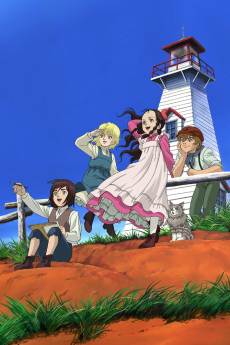
Speaking of the animation, I just know people are going to compare the animation from this to the 1979 anime. The 1979 anime opted for a soft, muted, earthy color palette, only going against that during scenes where Anne's imagination goes into overdrive, but it still managed to look amazing even for the time period. There aren't even any exaggerated cartoony faces during comedy moments, because the World Masterpiece Theater in general always prioritized realism over exaggeration. There's really no replacing hand painted cels and watercolor backgrounds. Anne Shirley opts for a much brighter, vivid, more saturated pastel style, and the character designs reflect that, even throwing in some cartoony facial expressions now and again. The animation in general, while not as strong as the 1979 anime IMHO, does manage to capture the old-timey Canadian idyllic wilderness pretty well and it still manages to look beautiful with its usage of color, and be mostly accurate to the time period. I am a little mixed on the character designs. Some characters look fine, such as Anne (Though why did they make her eyes blue? They need to be green!), the Cuthberts, Rachel, Diana, Ruby, and so on, I have to question why they made Gilbert's hair look reddish pink. Like...why? Maybe the producers thought it looked like a reddish brown, but it looks just as red as Anne's hair, and wouldn't it be hypocritical of him to make fun of Anne's hair when his own is a similar shade? At least the 1979 anime gave him dark hair! I also don't like that Jane's face looks really square and Josie comes dangerously close to an unflattering fat person stereotype.
For all my gripes about how fast the story moves and speed runs the characters' development, compared to most anime these days, Anne Shirley is still leagues above them in terms of actually understanding how character development works. None of the characters remain static throughout the series, and Anne Shirley covers a period of 11 or so years of time, and like with the 1979 anime, we see these characters change, grow, and evolve throughout their lives. The show is flawed, yes, but it has good intentions, and it still manages to understand why people love Anne as a character. Her growth from an energetic but mischievous little girl to a more mature young woman who retains her usual whimsy and zeal for life, navigating life's different paths and all the growing pains that come with it, still manage to carry the entire series extremely well. All of the characters have different sides to them that you can't really sum up in just one sentence, and they all feel like people you've met in your life. I admit, I cried like an absolute bitch at one character's death late in the series, even if we never got to see much of her. Even new characters like Stella, Prissy, and Philippa brought a lot of energy and charm to the series and never feel like just stereotypes. That said, Davy is a little brat and I hate him. I hated him in the book and the show did nothing to change my feelings about him here.
But you're probably wondering, considering that I generally prefer the 1979 anime over this, would I recommend Anne Shirley at all? Honestly...yes. I won't deny that it's a flawed adaptation of LM Montgomery's book, and the first 10 episodes feel like Anne of Green Gables made for the TikTok crowd, or made under Netflix restrictions. But I still enjoyed my time with Anne Shirley, and if this can open the door to bringing back anime adaptations of Western literature, then I am totally okay with that. On its own, its a fine series that still manages to convey what Anne of Green Gables as a whole is about without compromising what makes it good, and again, compared to all the crappy wish fulfillment isekai and bad ecchi series that get churned out every season that exist solely to cater to the lowest common denominator, I would gladly watch Anne Shirley any day of the week, even if I like the 1979 anime more. Actually, I have an idea: My recommendation to anyone interested in watching an anime of Anne of Green Gables at all would be to watch all 50 episodes of the 1979 anime, and then watch Anne Shirley starting from episode 11, that way you can experience both series in a way that lets you get to know the characters without having to deal with the latter's pacing issues in regards to the first 10 episodes of its adaptation. Yeah, the transition from slow paced 70s anime to faster paced, brightly colored version with different character designs may be jarring, sure, but hey, you do you. Or if you don't want to bother with the 1979 anime, you can watch Anne Shirley if you don't want to sit through 50 episodes, or just don't have the time. For all my gripes about Anne Shirley, it's still a reasonably good show that understands its source material and how timeless it is, and gives me hope that the anime industry can remember its early roots and what its truly capable of. Wow, I think this might be my longest review ever.

CaptainZaimon
A warm and emotional tale about the importance of surrounding yourself with people and things that you truly love.Continue on AniListAllow me to preface this I won't be rating this adaptation when it comes to how faithfully it adapts the source material or how good it is compared to the World Masterpiece Theater version or any other widely liked adaptation - I think there's a lot of fans on the site who'll want to do that, so instead, I'd like to offer my perspective as a bit of an outsider who really loved this show on its own.
See, I only ever read the first book in the series - a Polish translation (as a funny side note, we have no equivalent of "Anne with an E" in Polish, the only equivalent names are Anna and its diminutive form Ania...so releases up until a major 2022 re-translation reduced a pretty vital element of Anne's childhood into a tiny translation note, which I found hilarious back then). And what really struck me was how much focus there was on interpersonal relationships, friendship, and silly little incidents that just happen with no real rhyme or reason, like the wine fiasco with Diana. Given how many books that were mandatory reading at school back then felt extremely samey and tended to consist of 200+ pages' worth of characters speaking in strings of grandiose ideals and religious pathos, the first Anne book was not just a welcome change of pace, but an extremely unique experience that ingrained itself in my head. Possibly a major driving force behind my modern affection for media that puts a lot of focus on character relations.
So, when I heard that not just the first book, but also a few of its sequels would be getting adapted into an anime - with a lot of talent (worth noting - most of them women!) that was previously involved in works that I love deeply and regularly cry about, like Suzume, the post-series Kabaneri movie or King of Thorn - I was really excited! And I'm so, so happy to see that my excitement was not misplaced and we got a profoundly warm and soulful show out of it.
Best I can describe this show is that it feels like browsing a photo album with someone. Despite not being directly involved, you get all sorts of stories from Anne's life, from childhood to her early 20s, both happy and sad, but regardless of whether we're following her mess up coloring her hair or succeed at university, it all feels so intimate and honest, as if you're a ghost watching it all unfold. This photo album analogy is further assisted by the fact we get a lot of really, really pleasant vistas, lots of shots lingering on places that Anne finds interesting or even just random locations the show takes place in, as if to really let us take in the atmosphere and feel like we're truly there, rather than just disregarding where we are in favor of speeding up the pace at which these memories are presented to us.
It's so hard to pick one favourite of those vistas to feature here in order to show you what to expect, by the way! Argh! They're all little masterpieces and I applaud whoever did them to no end.

Of sad moments speaking, this was another great strength of this show for me - the way sadder moments were done. Episodes 10 and 19 especially. I don't remember the last time I had to pause watching a show because I was crying so much it actively interfered with me just following the plot. The best part of those two episodes in particular is just how human these moments feel - they're not grandiose, overly poetic and hard to relate to. Rather, they feel real. Like you're experiencing your own sad memories all over again. A relative's untimely passing before you got to say all your goodbyes or even got to know them properly. Someone you know breaking down when talking about death and loneliness. Moments like these were sad, sure, but there was such a genuine, natural beauty to them that I feel is harder and harder to come across in media.
The show is not all sad moments, naturally - in fact, most of it is quite happy or deals with how mundane situations can sometimes be a source of a lot of thoughts in our daily lives. Quite often, the plot is driven forward thanks to characters letting others know about their feelings, often in very "unpoetic" ways, through casual conversation rather than some big moment with tons of hype, or we're given glimpses into who they are that let us build a whole image rather than just them going "hello. I am x. I do y" - perhaps my favourite element of this was how even minor side characters get that quite a bit. I could write a whole separate review of just the Echo Lodge and Mrs. Lavendar subplot, something which lasts maybe one episode and a few minutes in another! Or Roy's sister, a character we see for what, five minutes total?
And of happy moments speaking, I smiled a lot watching this show, too. There aren't just emotional moments that fill you with warmth, but lots of really funny gags, too. Even though my sense of humour was defined by things like Monty Python or Garfield, there were more than a few little gags that made me burst out laughing. One of my all-time favourites was Matthew's awkward attempts at buying Anne a dress, given I experienced my own fair share of situations where I felt overly worried about a clerk commenting on me buying some embarrassing item (look, uhhh, I'm totally buying this Sylvanian Families kitchen set for uhhhh, my totally real niece, okay? I'm not a manchild that really wanted to have my Transformers displayed working at a little cottagecore kitchen, okay?!).
One more important thing to mention is the amount of emphasis the show puts on how vital friendship is to love. Without delving into too many spoilers, a pretty major internal struggle of Anne's comes from her inner conflict: should she pursue the embodiment of her poetic craving for ideal love who can't imagine living without her, or accept that maybe this one other person that she was rivals and eventually friends with makes her feel a certain way? Given how complicated and emotional the answer is, I'll leave that for you to discover.
Naturally, I can't mention friendship and love without bringing up how touching interactions between Anne and Diana were, either. Again, most of my knowledge of that stems from the first book, but I thought it was really nice how much emphasis the anime placed on the multifaceted nature of their bond, even after they go their own separate ways in life. It's not as simple as just "ah, it's friendship" or "ah, there's something more to it, note the clearly sapphic undertones", and I thought that was wonderful - the anime really shows you how fun it is to have someone who resonates with you on a personal level, how thin the line between being friends and being in love can get, and it's awesome how that stays an important element in Anne's life even as she makes new friends outside of Avonlea.
There are all sorts of complex and profound philosophical works out there, and it stands as testament to mankind's endless creativity that there are! But I think having works like this, which ultimately show us that life is all about appreciating the little things and staying true to your heart are just as important. Once again, I cannot quite speak for all of the source material myself so I don't want to judge whether it got that right about the source material or not, but I think this anime did a fantastic job getting it across on its own.
What this anime really highlighted, I thought, is how no matter how poetic we make life out to be, at the end of the day, what's gonna matter is whether we're together with people we enjoy being with and feel like there's some outlet for our passions and emotions available. And that, I think, is a very important thing to highlight in this ever-changing world of ours.
SIMILAR ANIMES YOU MAY LIKE
 MOVIE DramaOmoide Poro Poro
 MOVIE DramaTHE DOG OF FLANDERS
 ANIME DramaPrincess Sara
 ANIME AdventureTom Sawyer no Bouken
 ANIME AdventureAshita no Nadja

SCORE
- (3.8/5)
TRAILER
MORE INFO
Ended inSeptember 27, 2025
Main Studio The Answer Studio
Trending Level 1
Favorited by 416 Users
Hashtag #アン・シャーリー #赤毛のアン