

INITIAL D SECOND STAGE
STATUS
COMPLETE
EPISODES
13
RELEASE
January 21, 2000
LENGTH
23 min
DESCRIPTION
Following his victory over RedSuns leader Ryosuke Takahashi, AE86 driver Takumi Fujiwara is challenged by the Lancer EVO-based "Emperor," a group known for taking decals of racing teams they defeat, cutting them up and placing them on their cars like a fighter plane kill board. Takumi's undefeated streak is on the line as his AE86 is virtually no match against the more powerful and more agile four-wheel-drive EVOs of the Emperor team.
(Source: Anime News Network)
CAST
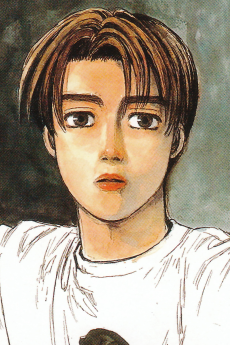
Takumi Fujiwara
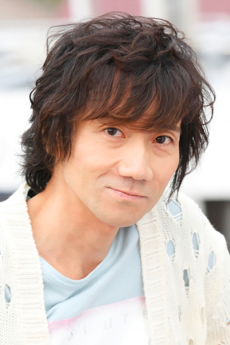
Shinichirou Miki
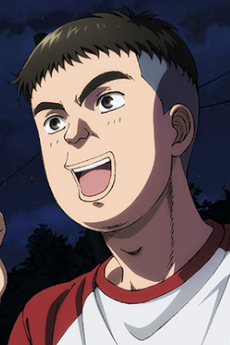
Itsuki Takeuchi
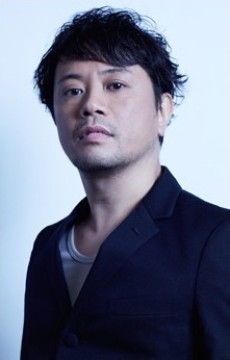
Mitsuo Iwata
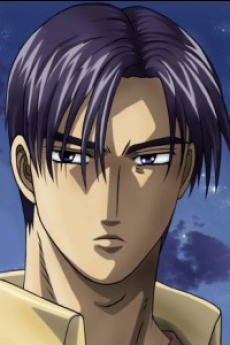
Ryousuke Takahashi
Takehito Koyasu
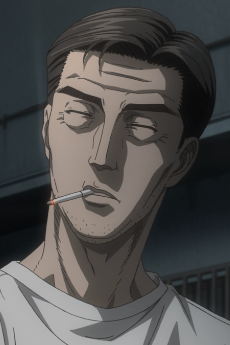
Bunta Fujiwara
Unshou Ishizuka
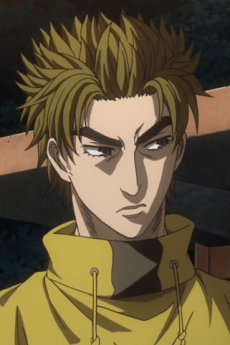
Keisuke Takahashi
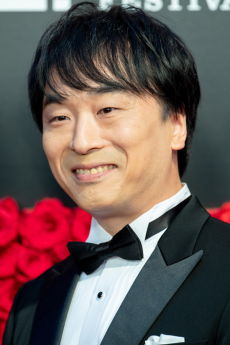
Tomokazu Seki
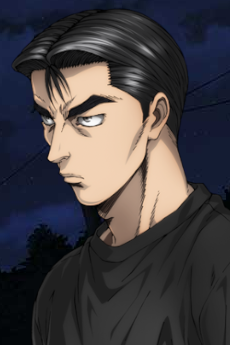
Takeshi Nakazato
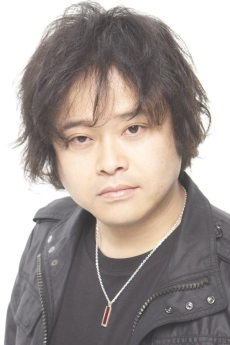
Nobuyuki Hiyama
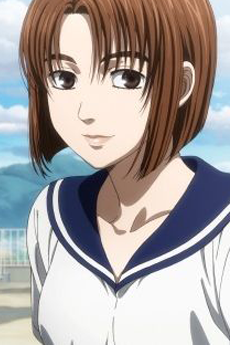
Natsuki Mogi

Ayako Kawasumi

Kouichirou Iketani
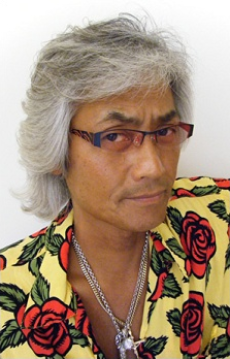
Kazuki Yao
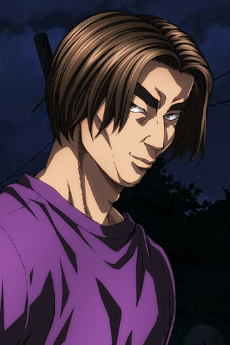
Shingo Shouji
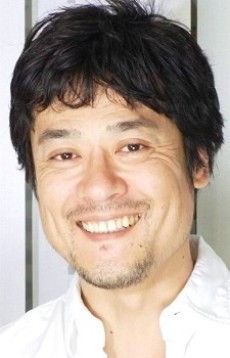
Keiji Fujiwara
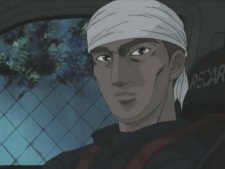
Kyouichi Sudou
Masahiko Tanaka
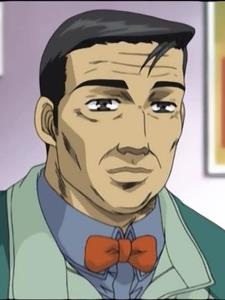
Yuuichi Tachibana
Tomomichi Nishimura
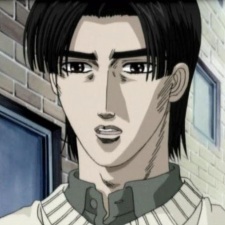
Wataru Akiyama
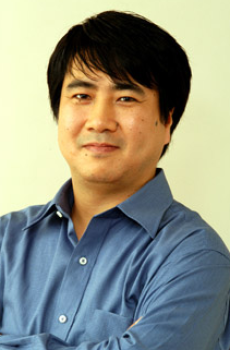
Yasunori Matsumoto
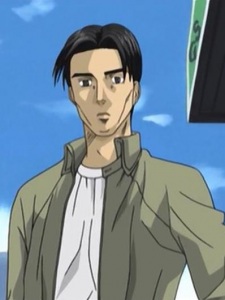
Kenji
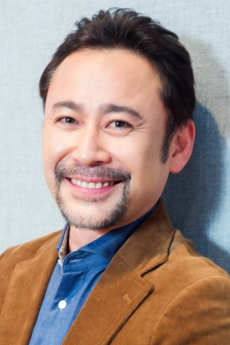
Wataru Takagi
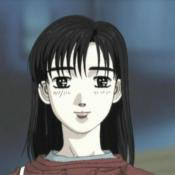
Kazumi Akiyama
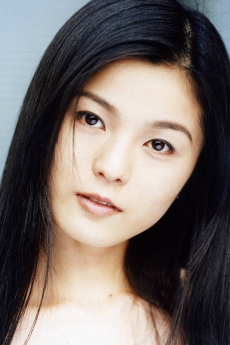
Ryouka Yuzuki
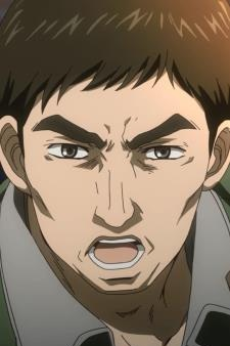
Hiroshi Fumihiro
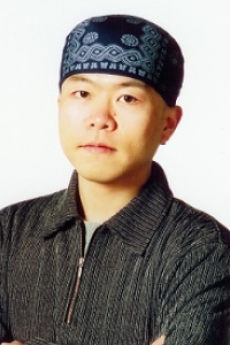
Osamu Hosoi
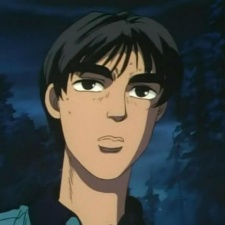
Kenta Nakamura
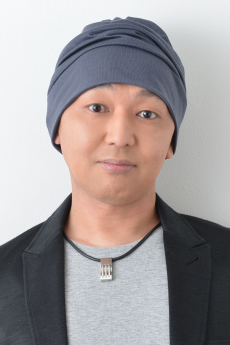
Kousuke Okano
Seiji Iwaki
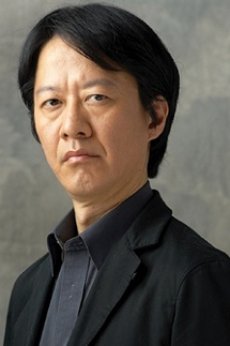
Kazuhisa Kawahara
Papa
Hidenari Ugaki
Masashi Suzuki
Kouji Ishii

Tsukamoto

Narrator
Osamu Hosoi
EPISODES
Dubbed
RELATED TO INITIAL D SECOND STAGE


REVIEWS

Chidori723
The most mature and sombre Initial D, with an underlying theme of growth.Continue on AniListThe 2010's was a decade that I grew up in, as a gen-00 zoomer born in the early-mid 2000's. It was also in this decade where anime has started to gain more mainstream popularity, growing outside its shell as simply a niche. One channel that managed to ride that wave in one way or another was Hero TV, a local Filipino channel that aired dubbed anime shows in Tagalog. And it was this channel that facilitated the series that I would consider to be my "first anime": Initial D. It was that then-active channel (rest in peace) that introduced me to "anime" as a concept, during a decade where the genre was riding a wave of rising popularity. Talk about a good timing.
Growing up, I've always loved cars. And so having discovered Initial D, I was immediately hooked. And while I was already familiar with Battle Stage watching it on YouTube through a Nokia phone, it was Hero TV that facilitated the series itself (save for Third and Fifth/Final Stage) for a then 8 or so year old kid like me to watch, back in the early 2010's.
It's no surprise then that Initial D holds quite a special place in my heart as my first anime. While the series was never perfect, it's still something. That said, I probably should be talking about First Stage, where it all started. But instead, here I am talking about the second season. Now why would I do that? Well, a couple reasons. First of all, there have already been reviews on this site about First Stage. I could probably write a review on that, but I probably won't be able to add anything that might've already been said. Second, I feel like Second Stage is pretty underrated. It doesn't seem to get talked about too much. Needless to say, there hasn't been a review of it here on AniList. So I'll be the first to fill that void. I have a lot to say about this season specifically. It just quite stands out to me as the series in its most mature and sombre form. It's where the slice of life elements outside the racing have a more serious tone to it, which I'd like to elaborate later on...
And so, let's take a spirited drive down this proverbial mountain road of changing seasons and growing up that is Second Stage...
(SPOILERS AHEAD. Make a U-turn sharp hairpin drift back if you haven't seen Second Stage.)
Let's talk about the nicities in terms of presentation first. The opening theme is a banger, performed by, as the series' tradition, m.o.v.e. I still remember loving this opening as a kid, and it's still great to this day. It's loud, indicated by the use of trumpets, it's catchy and gets you pumped up. Yuri Masuda's beautiful voice, MOTSU's energetic bar spitting, and T. Kimura's catchy techno music composition all come together in creating such a banger of an opening song. The ending theme, composed by Galla, juxtaposes with a slower and more melancholic acoustic guitar track. And it's this ending theme alone that indicates Second Stage's vibe compared to the rest of the series; a more sombre and somewhat sad kind of vibe.
The Eurobeat selection, as is the most indispensable part of the series' musical score, is fantastic. You've got songs from good old legends in the genre like Dave Rodgers, Mega NRG Man, Bratt Sinclaire, among others (it's this season that contains my favorite Initial D related Eurobeat song, Grand Prix by Mega NRG Man). The OST outside the licensed songs itself is great as well. It has a lot more emphasis on "darker" and more melancholic tracks that you don't really hear in First Stage or even afterwards. Like for example, the tracks that play when Takumi deals with the gravitas of blowing his Eight-Six, really conveying that emotional moment. Or Tension, which is a track containing chords that kinda sound like the X-Files theme song, conveying an eerie atmosphere of "something's not right". This overall darker and melancholic tone in the soundtrack once again is indicative of Second Stage's established vibe, different from the rest.
The visuals look more polished and refined. The lighting, or lack thereof, has been given more emphasis in race scenes set at night during interior shots of characters behind the wheel, unlike First Stage wherein characters seems to break this logic by appearing illuminated despite the car's interior supposedly being dark. Characters also wear different clothes instead of sticking to just one set of them, which makes more sense and is a nice display of their fashion. Takumi doesn't wear just the white shirt and jeans that we're used to seeing in the first season. He wears a shirt with some blue stripes, in another episode, a yellow shirt covered by a denim jacket, and in another, a pink one with long sleeves.
The CGI is pretty decent, albeit nothing special as far as late 90's anime CGI is concerned. It's certainly an upgrade from First Stage's CGI, although theres still some visual flaws like not getting the "Trueno" logo on the back of the Eight-Six right. Cars still lack some real cel-shading that would later be seen in Third Stage and perfected in Fourth Stage, but they do look more polished and overall look much nicer. One thing to note is how cars are no longer hand drawn in some shots like in the first season, which I guess kinda sucks since they look kinda cool, but it makes sense in terms of maintaining visual consistency. If cars are rendered as CGI, might as well keep it that way.
Now let's get onto the real meat of it all; the story and themes. Second Stage starts off with a whole new threat: Team Emperor and their powerful, rally-bred machines, the Lancer Evolution. There's a clear escalation of threat here in which they're out to conquer Gunma, and the racers in the prefecture are out to protect their pride and turf, but to no avail. This is different from First Stage where Takumi makes a name for himself provoking challenges from multiple racers, culminating in a showdown with the downhill specialist Ryosuke Takahashi. In this season, our protagonists alongside other characters like those of the RedSuns are defending their areas against a whole pack.
For Ryosuke, it's a revenge challenge from Kyoichi Sudo, Emperor's top boss. It's a battle of philosophies; the former's theory driven togue racing versus the latter's tried and tested circuit racing applied to the winding mountain pass. For Takumi, it's facing a plateau and learning a fundamental lesson the hard way, but will allow him to evolve as a racing driver.
There's an underlying theme of personal conflict and growth with almost every character in this particular season, which hasn't really been emphasized in the first one. Or at least not to the extent that Second Stage has. They all seem to have something to deal with and come out as better people. You can see this underlying theme starting with the antagonists. Seiji has a problem with his ego, which holds him back and causes him to lose the race against the Eight-Six which he himself volunteered to do over Kyoichi racing the tofu shitbox himself. He underestimates his opponent and jumps the gun against Kyoichi's tactical orders, costing him the race. The defeat slaps him in the face; literally, from Kyoichi, and figuratively, from having been defeated by a real-wheel drive shitbox with far less power than his "rally pedigree" machine. He gets humbled and comes out having learned to put aside his ego and show more respect towards the Eight-Six and its driver. Kyoichi has a score to settle with his rival, Ryosuke, having been defeated by him two years ago. The two go on a showdown, and Kyoichi gets taught about an oversight concerning an element intrinsic to street racing; oncoming traffic. He gets humbled and learns to respect Ryosuke as a true street racer, realizing that circuit racing techniques alone can't conquer the mountain pass.
Continuing with the theme of growth and learning, Bunta has got a new engine in store for the Eight-Six. But he doesn't want to just install this new engine just like that. He wants Takumi and the car to first reach breaking point and lose, for that experience will teach him something as we'll see later.
And soon enough, after having encountered a heartbreakingly unpleasant truth about his love interest, Takumi heads to Akagi to take up Kyoichi's offer of racing him, seeking to let off some steam.Kyoichi is probably the best character of Second Stage. He's a pragmatic-minded kind of racer who picks the most efficient way of winning races; a pragmatic approach in both machine and technique. He comes equipped with a homologated rally machine containing 4WD, a turbo, and an anti-lag, say it with me, "mishfiyaringu shishtemu", or misfiring system. When it comes to strategy, he doesn't waste his tire wear. He goes for the decisive overtake, only when he is absolutely sure of it. In the race against the Eight-Six, he makes sure to strike at the weakest point; the flat section of the course where his opponent's machine is the most disadvantaged. He's like a fighter pilot who only fires rounds when his target is locked in sight, making sure not to needlessly waste any ammo. The banging sound of his misfiring system and the Pyrenees black color of choice on his Evo III also add to this image of a hunter predator, which is pretty much how Takumi describes him. He feels like "being hunted down".
Takumi blows his engine, unable to keep up. And it's in this race, or as Kyoichi calls it, a "seminar", where Takumi learns a valuable lesson the hard way. The reality of racing is that skill can only take you so far, until you have to do something about your machine. This completely subverts the message established in First Stage where "it's not the car, it's the driver" flipping it over its head. Now, it's "50% car, 50% driver skill", a less naive and far more realistic outlook in terms of motorsports. This race has to be one of the best races not just within Second Stage, but arguably the whole series. It allowed Takumi to become more than just a plot-armor Mary Sue who kept winning, in which he was able to learn a fundamental lesson and come out stronger. It's moments like these that are severely lacking in the new MF Ghost series. I really wish Kanata was able to be given this level of struggle and learning the way Takumi was here.
It's characters like Kyoichi, Ryosuke, Wataru, and Bunta that are indicative of Second Stage's emphasis on the themes of personal growth and learning something. Kyoichi and Wataru in particular aren't just there to take down Akina's downhill hero merely for the sake of personal pride or ego like most of the antagonists from First Stage. They come from a place of constructive criticism, wanting to teach Takumi things that he lack as a racing driver; the car is just as important as the skill, thinking more like a racer in terms of technicalities, as is Wataru's point.
This second season, in contrast to seeing Takumi rise as an underdog in the first, sees him go through a plateau and the process of escaping that plateau. He falls into a slump, pushes his limits, loses and learns a valuable lesson the hard way, rises again and struggles with his car's new engine, and it eventually culminates with him fully realizing and unlocking the full potential of that new engine. It's in tasting bitter defeat and struggling that makes the upgrade all the more rewarding, having realized the value of the upgrade in power and what it's like when you're unable to compete without that power. Only when accompanied by more power and speed does skill afford to compete with tougher opponents. Complacency with skill alone doesn't cut it. This is what Bunta wanted his son to learn all along.
Finally, I want to talk about the slice of life elements in this season, and how it takes on a more serious and mature tone here. Once again, there's a common theme of personal struggle and growth with many of our characters here. We've gone over Seiji and Kyoichi already so I wanna focus on the others.
Takumi has his own personal problems with his love interest, Natsuki. He's heartbroken by the fact that she prostituted herself to some middle aged man, behind his back. This gives the relationship between them established in First Stage a dark turn that now has to be overcome, eventually culminating in Third Stage. Natsuki herself wants to break away from being an objectified doll to some stranger for income, and wants to work a more scrupulous job. Itsuki has his own love interest with Kazumi, Wataru's younger sister, which ends in departure. Itsuki has to learn the painful reality of loving someone and having to let them go. Kazumi wants to be able to be independent instead of having to rely on his elder brother all the time, illustrated by the metaphor of "wanting to take the wheel instead of just being a passenger". Wataru has to deal with his own heated behavior when it comes to interacting with fellow street racers, and his anti-social tendencies. It's story beats like these outside of just the racing that play a huge part in making Second Stage something quite special. It elevates Initial D into more than just adrenaline, Eurobeat fueled drifting and showdowns. These people have their own lives outside of the cockpits of their JDM machines. They all have their own problems to deal with and learn from, making them more human. And I love Second Stage for that.
Whereas First Stage was about discovering your passion and dream, indicated by that first season's ending theme, Rage Your Dream, Second Stage is about working towards that dream, learning and growing, realizing the brutal realities of competition and the necessity to become stronger rather than complacency in ability alone. Takumi discovered his passion of wanting to be a racing driver. Now he has to tread the path of being a racing driver along with the realities that come with it, learning, growing, evolving, recognizing what he lacks and what he needs in order to truly compete as a racing driver. It gave Takumi some genuine character development, graduating from being a nonchalant boy racer to a more serious racing driver who has to start thinking like a racing driver, technicalities and all.
A lot of people would consider First Stage to be peak Initial D, but I'd argue that Second Stage is close, perhaps in some ways even better. The more serious and mature tone, along with the underlying themes of personal struggle and growth really made it stick out among the rest. It's a close call between these three seasons pre-Project D, in which the series eventually went stale.
So yeah, that's Initial D Second Stage. A rather short but well enjoyable ride of emotional heartbreaks, struggle, and growth. Packed with entertaining races, great soundtrack, kickass Eurobeat, and just a great presentation overall. Worth rewatching every now and then. If you want Initial D in its most serious, mature, melancholic and somewhat dark tone, this is it. Great racing action that also manages as a pretty decent slice of life anime. Whether you're a fan of the series, cars in general, or just like some sports anime and some slice of life thrown in, this is a good watch right after First Stage. There's meaning to be found here. (:
SIMILAR ANIMES YOU MAY LIKE
 ANIME ActionWangan Midnight
 ANIME SportsMF Ghost 2nd Season
SCORE
- (4.05/5)
TRAILER
MORE INFO
Ended inJanuary 21, 2000
Main Studio Pastel
Trending Level 2
Favorited by 1,136 Users