

DORAEMON (1979)
STATUS
COMPLETE
EPISODES
1787
RELEASE
March 18, 2005
LENGTH
11 min
DESCRIPTION
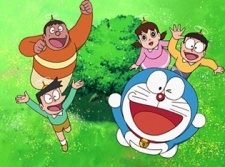
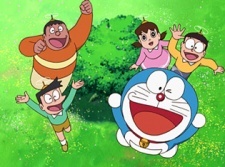
Nobi Nobita is a 4th-grade boy in Tokyo. One day, a round, blue cat-style robot (minus ears) pops up in his desk drawer. Nobita's great-great-grandson (or something) lives in the 22nd Century, but thanks to Nobita's mistakes, the entire family is living in poverty. To rectify this, Nobita's descendent is sent Doraemon back to the past, to help prevent Nobita from making mistakes. Of course this is a difficult task since Nobita is the weakest and least intelligent child in his class. Doraemon does, however, have a 4-dimensional pocket on his front, which contains cool gadgets from the future. With these toys, Doraemon will try to help Nobita. Unfortunately, Nobita also has the bad habit of misusing Doraemon's gadgets and landing himself in yet more trouble?
(Source: AnimeNfo)
CAST
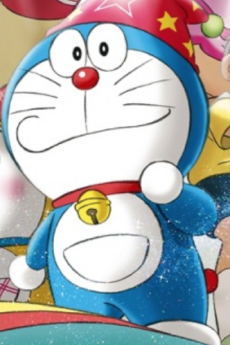
Doraemon

Nobuyo Ooyama
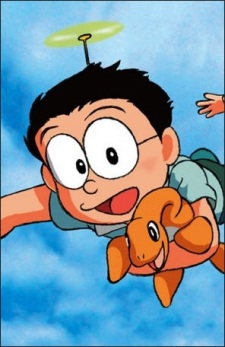
Nobita Nobi

Noriko Ohara
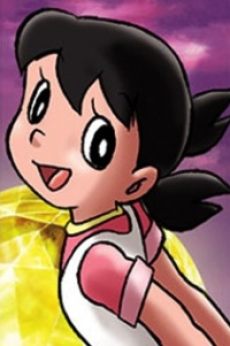
Shizuka Minamoto

Michiko Nomura
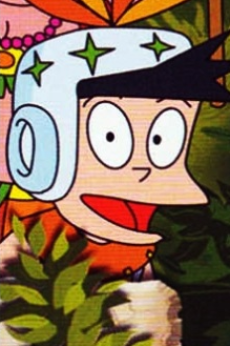
Suneo Honekawa
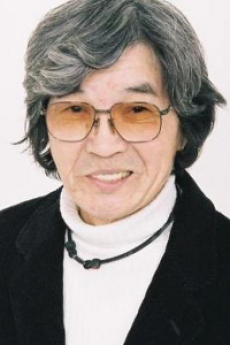
Kaneta Kimotsuki
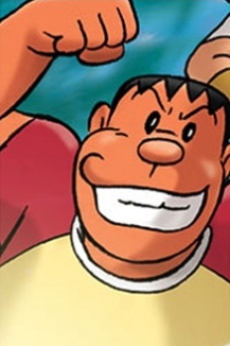
Takeshi Gouda

Kazuya Tatekabe
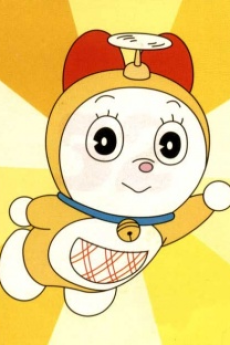
Dorami

Keiko Yokozawa
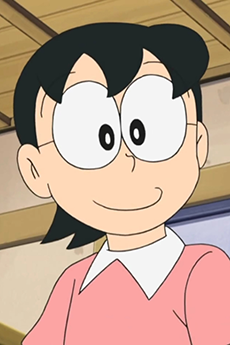
Tamako Nobi
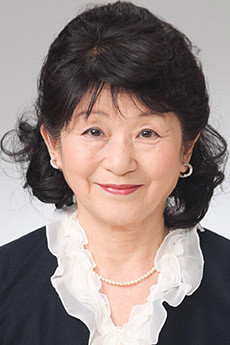
Sachiko Chijimatsu
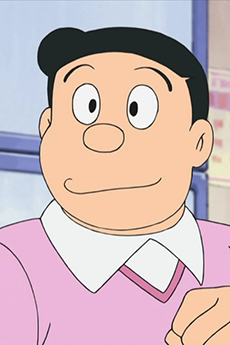
Nobisuke Nobi

Masayuki Kato
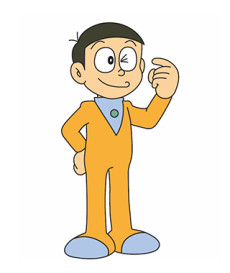
Sewashi

Yoshiko Oota
EPISODES
Dubbed
Not available on crunchyroll
RELATED TO DORAEMON (1979)
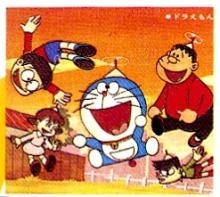
 ANIME AdventureDoraemon (2005)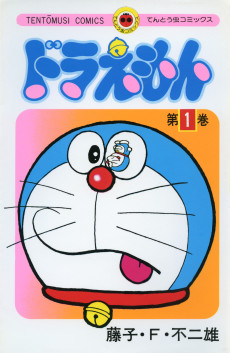
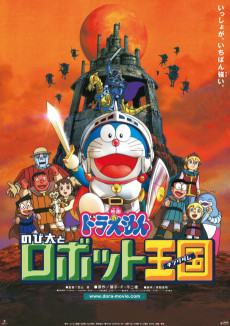 MOVIE AdventureDoraemon: Nobita to Robot Oukoku
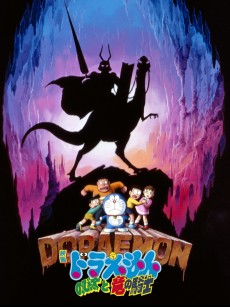 MOVIE AdventureDoraemon: Nobita to Ryuu no Kishi
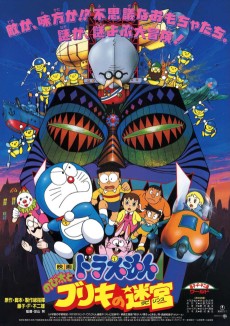
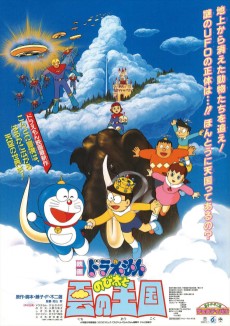 MOVIE AdventureDoraemon: Nobita to Kumo no Oukoku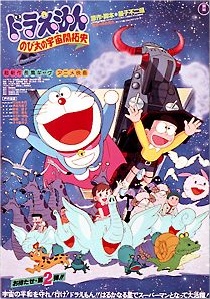
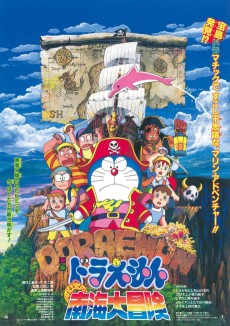
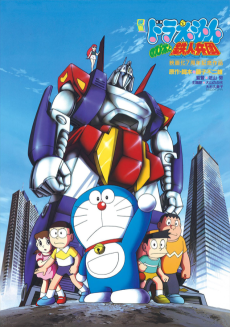 MOVIE AdventureDoraemon: Nobita to Tetsujin Heidan
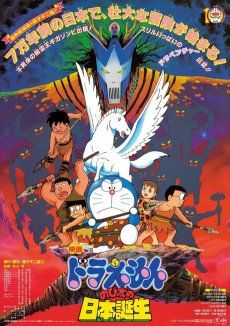 MOVIE AdventureDoraemon: Nobita no Nippon Tanjou
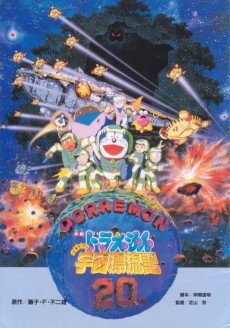
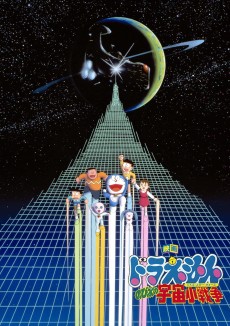
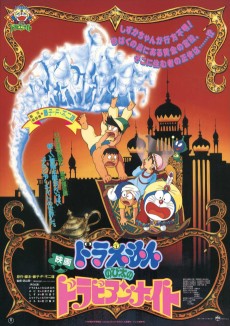 MOVIE AdventureDoraemon: Nobita in Dorabian Nights
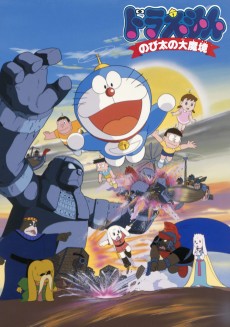 MOVIE AdventureDoraemon: Nobita no Daimakyou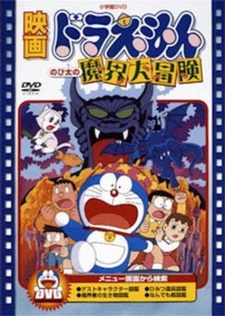
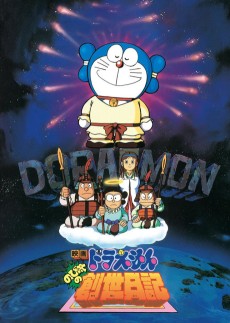 MOVIE AdventureDoraemon: Nobita no Sousei Nikki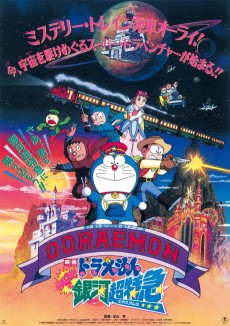
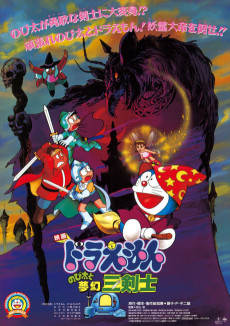
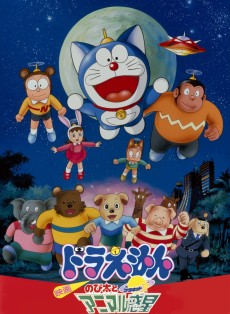
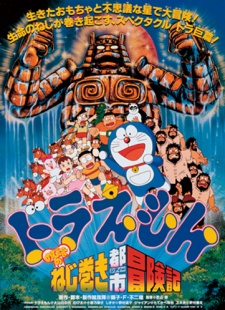
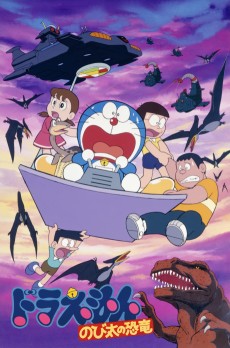 MOVIE AdventureDoraemon: Nobita no Kyouryuu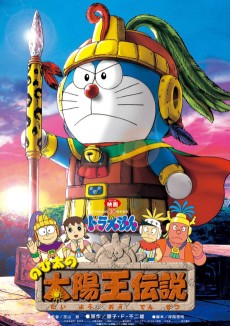
 SPECIAL AdventureDoraemon: Summer Holiday
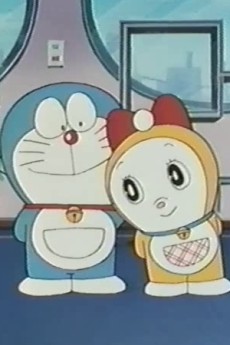
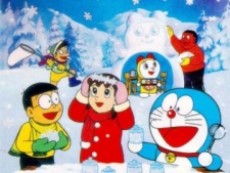
 SPECIAL AdventureDoraemon (1979) Specials
REVIEWS

Bizancio
Un éxito difícil de comprenderContinue on AniListEsta versión está en español y en inglés (Translated with DeepL.com)
Sinopsis
Desde un futuro lejano, Doraemon, un gato-robot, llega al siglo XX para cumplir con una misión. Su cometido es ayudar a Nobita Nobi, un niño de primaria con muchos problemas debido a su actitud ociosa, egoísta y necia. Para ayudarlo usará su bolsillo mágico, capaz de sacar todo tipo de artilugios sorprendentes. Con ello esperaba evitar los problemas que causaría al crecer. Sin embargo, Nobita no es un niño que aprenda rápido, así que tendrán que tener paciencia…
Trama y Desarrollo
Cualquiera que haya tenido infancia habrá visto, al menos, unos cuantos capítulos de Doraemon. No hay que ser muy joven para haberlo hecho porque Doraemon es popular desde sus inicios y este anime empezó a emitirse en 1979. Es decir, ha sido visto por varias generaciones de nuestra sociedad. Sin embargo, nunca me ha gustado, ni mucho menos me parece una serie buena, por lo que no entiendo su éxito. Probablemente deseen defenderla con el argumento de que pertenece a una demografía infantil, pero lo cierto es que en esa sección hay títulos mucho más interesantes que el gato cósmico. En cualquier caso, se merece que la analice antes de afirmar con rotundidad nada, así que vamos a eso.
Doraemon es una comedia infantil acerca de Nobita, un niño que intenta resolver sus problemas con los abusones, la escuela y la vida en general mediante los inventos que le presta su amigo Doraemon. Al igual que otras series de Fujiko Fujio, nos topamos con un anime de corte episódico y formulaico, pero al menos le reconozco que la premisa es más atractiva que las demás. Me acuerdo de otras como Ninja Hattori (1981) y Kiteretsu (1988) que, aparte de ser la última un calco y fracaso respecto a Doraemon, están más limitadas sobre el tipo de situaciones que pueden abarcar. Sin duda, el hecho de tener un gato capaz de sacarse toda clase de aparatos extraños le proporciona más variedad. Crea cierto interés el que presentarán en cada episodio nuevo.
Sin embargo, no importa mucho porque repite los mismos esquemas una y otra vez. La fórmula básica es: 1. Nobita sufre algún tipo de problema (Gigante y Suneo abusan de él, el profesor se disgusta por sus malas notas y hacer los deberes mal, sus padres se enfadaron o Shizuka pasa de él por alguna razón). 2. Doraemon, tras negarse un poco, le entrega un invento para que resuelva el problema e intente hacerlo por sí mismo la próxima vez. 3. Nobita lo prueba y empieza a abusar de él 4. Por alguna razón, sea por su propia estupidez o la casualidad, las circunstancias le empiezan a ser desfavorables, recibiendo su justo castigo. A pesar de que hay variaciones, esto es lo que ocurre casi siempre. Si incorporara llorarle a Doraemon porque no puede tener alguna ventaja que tiene Suneo creo que completo el 90% de los motivos del punto uno.
Este hecho por sí solo sería una razón suficiente para alejar a cualquiera. ¿Quién narices querría ver de forma continuada una serie episódica cuya formula es repetitiva a más no poder? Sin duda, muy pocas personas. Y serían menos si supieran que Doraemon alcanza casi 2500 episodios entre todas sus series, siendo la segunda más larga, con alrededor de 1700 capítulos. Una absoluta barbaridad que solo se explica por el afán japonés de exprimir al máximo cualquier franquicia popular. Y al ser puramente episódica, nos topamos con que no hay cambios en los personajes, el tiempo en que se ubican o casi cualquier hecho que suponga continuidad.
Por la parte positiva, creo que los niños aprecian que sea una serie sencilla de entender porque rara vez uno no comprende para que sirve alguno de los inventos de Doraemon o la moraleja de sus capítulos. En ese sentido, no pone obstáculos a su comprensión. Si bien me parece más sabio soltar los consejos y advertencias de una forma más sutil, sin que Doraemon tenga que decirlo claramente. También algunos de los inventos iniciales creo que son toda una novedad y hasta tienen un punto de ingenio, pero a la larga te das cuenta de que cada vez son más específicos y varios son lo mismo que otros, pero bajo otra apariencia y con ligeras modificaciones.
A la hora de hablar sobre el humor más bien nos referimos a los resultados cómicos de los meteduras de pata de Nobita (y cuando toca Gigante y Suneo) al utilizar los inventos de forma abusiva. Sin embargo, la mayoría de ocasiones son de lo más básico y lo que te esperarías en ese orden de eventos. Se echa en falta una mente más aguda que permita crear situaciones más hilarantes a partir de los inventos de Doraemon. Pero siempre transita por los mismos caminos, usando normalmente la mala fortuna o casualidad en forma de accidente o torpeza. Por ejemplo, que a Nobita se le caiga el invento de turno después de hacer unas cuantas maldades y luego recibe su merecido. Pero ni siquiera cuando aún no le ha llegado el castigo idea algo demasiado interesante. Luego también te puedes encontrar algunos gags como que Nobita acaba viendo a Shizuka desnuda y esta grita. Si al menos supiera aprovechar las situaciones de siempre para darles un giro.
También podría ser que, a pesar de sus flaquezas en el guión, tuviera un humor visual que otorgara más vida y energía al conjunto, pero no es así. En realidad, no es más que otra producción de Shin-Ei Animation. Sus producciones se caracterizan por ser de bajo presupuesto, por mucho que tengan algunas de las series más populares de la historia. Véase el caso de Shin-chan (1992). Con solo echar un vistazo a un par de episodios ves que aspectos como el diseño de los personajes o los fondos son desinspirados. Y no me quejo de que los primeros sean simples exactamente sino “simplones”. Es decir, en el mal sentido de la palabra. Hay ejemplos de diseños simples como los del primer Dragon Ball (1986), que me parecen muy buenos. Pero aquí solo veo diseños similares basados en figuras geométricas o formas básicas a las que no añaden nada. Si tan siquiera tuviera una animación viva como la que gastaba los Looney Tunes, pero el movimiento está lo más ausente que puede.
Hay quien habla sobre si los valores que enseña el anime son los adecuados, pero a mí en general me parece que no tiene muchos problemas. Está claro que transmite algunos estereotipos y tópicos poco aptos en esta época como la madre que no parece tener más preocupaciones que encargarse de las tareas del hogar, contar chismes y ver la tele. Tal vez debería renovarse y acabar un poco con ese retrato del siglo pasado. En cualquier caso, aquí prima lo que llamaríamos justicia poética. Si un personaje se comporta mal, por ejemplo Nobita al sobrepasar los límites del invento, será castigado de alguna forma que le devolverá el daño causado. Además, Doraemon suelta lo que debería haber hecho en vez de dar rienda suelta a su egoísmo.
En resumen, es una serie educativa normal, en la línea de otros animes infantiles. Hay quien cree, sin embargo, que la ausencia de cambios en los personajes demuestra que, a fin de cuentas, no están aprendiendo nada. No lo veo así porque se trata de una serie episódica, es decir, cada capítulo es independiente del resto. De ahí que sea normal verlos repetir los mismos errores. Por cansado que nos resulte, este argumento no es válido.
Personajes
Para mí es más legítimo hablar del lamentable grupo de personajes que componen Doraemon. A excepción de Shizuka y Doraemon, creo que la mayoría entraría dentro de la categoría que Animación Artesanal denomina “Primo Oliver”. Con ello me refiero a un personaje que se define por ser cargante e irritable debido a que apenas tiene rasgos positivos y se dedica a causar problemas. Aquí Nobita es el caso más paradigmático. Podríamos decir que es un mediocre y un perdedor. Es torpe, perezoso, debilucho, egoísta, tonto y tiene una pésima suerte. Podría agradarnos si de verdad todo lo que le ocurre es por la mala suerte, pero en realidad casi todo lo que pasa se lo merece. No estudia, no hace los deberes, etc. Lo que más me llama la atención es su personalidad déspota y vengativa cuando obtiene un invento nuevo. Abusa todo lo que puede de él hasta que le caen mil desgracias por hacerlo. Sí, también hace gala de valentía y determinación en ciertos momentos, pero eso ocurre 1 de cada 10 veces y normalmente en las películas, no en la serie.
Pero tampoco los otros están mucho mejor. Gigante es un abusón que siempre quiere hacer lo que él manda porque en caso de que alguien se niegue le pega y no le importa si los demás no se divierten con él. Pero Suneo es lo que llamaría un niño rico que le encanta presumir de lo que tiene todo el rato. Como buena rata, se asocia con Gigante por su fuerza. ¿Y qué pasa con los otros dos? Doraemon podrá no ser un mal tipo, pero no hace mucho por cumplir su misión. En vez de eso casi siempre lo vemos tumbado en la habitación mientras come dorayakis y lee algo. Solo cuando le pide ayuda Nobita hace algo, lo cual dice poco de su iniciativa. Por último, Shizuka es una niña educada y responsable. Lo que sí es verdad es que nunca parece tener mucha mente abierta. Lo que no entiendo es porque tiene que casarse en el futuro con un gilipollas como Nobita, pero eso es algo que ya no me importa.
Synopsis
From the distant future, Doraemon, a robot cat, arrives in the 20th century to fulfill a mission. His task is to help Nobita Nobi, an elementary school boy with many problems due to his lazy, selfish, and stubborn attitude. To help him, he will use his magic pocket, capable of pulling out all kinds of amazing gadgets. With this, he hoped to avoid the problems he would cause when he grew up. However, Nobita is not a quick learner, so they will have to be patient...
Plot and Development
Anyone who has had a childhood will have seen at least a few episodes of Doraemon. You don't have to be very young to have done so because Doraemon has been popular since its inception and this anime began airing in 1979. In other words, it has been seen by several generations of our society. However, I have never liked it, much less think it is a good series, so I don't understand its success. You may want to defend it by arguing that it belongs to a children's demographic, but the truth is that there are much more interesting titles in that section than the cosmic cat. In any case, it deserves to be analyzed before making any definitive statements, so let's get to it.
Doraemon is a children's comedy about Nobita, a boy who tries to solve his problems with bullies, school, and life in general through the inventions lent to him by his friend Doraemon. Like other series by Fujiko Fujio, we encounter an episodic and formulaic anime, but at least I recognize that the premise is more appealing than the others. I remember others such as Ninja Hattori (1981) and Kiteretsu (1988) which, apart from the latter being a carbon copy and failure compared to Doraemon, are more limited in the type of situations they can cover. Without a doubt, having a cat capable of pulling out all kinds of strange gadgets provides more variety. It creates a certain interest in what they will present in each new episode.
However, it doesn't matter much because it repeats the same patterns over and over again. The basic formula is: 1. Nobita suffers some kind of problem (Giant and Suneo bully him, the teacher is upset about his bad grades and poor homework, his parents get angry, or Shizuka ignores him for some reason). 2. Doraemon, after refusing a little, gives him an invention to solve the problem and tries to do it himself next time. 3. Nobita tries it and starts to abuse it. 4. For some reason, whether due to his own stupidity or chance, circumstances begin to turn against him, and he receives his just punishment. Although there are variations, this is what happens almost every time. If I added crying to Doraemon because he can't have some advantage that Suneo has, I think that would cover 90% of the reasons in point one.
This fact alone would be reason enough to turn anyone away. Who on earth would want to watch an episodic series whose formula is as repetitive as can be? Very few people, no doubt. And there would be even fewer if they knew that Doraemon has almost 2,500 episodes across all its series, making it the second longest, with around 1,700 episodes. This is absolutely outrageous and can only be explained by the Japanese desire to squeeze the most out of any popular franchise. And since it is purely episodic, we find that there are no changes in the characters, the time in which they are set, or almost any event that implies continuity.
On the positive side, I think children appreciate that it is an easy series to understand because it is rare not to understand the purpose of one of Doraemon's inventions or the moral of its episodes. In that sense, it does not pose any obstacles to understanding. However, I think it would be wiser to convey advice and warnings in a more subtle way, without Doraemon having to spell it out. I also think that some of the early inventions are quite novel and even ingenious, but in the long run you realize that they are becoming more and more specific and that several are the same as others, but with a different appearance and slight modifications.
When we talk about humor, we are referring to the comical results of Nobita's blunders (and sometimes Giant and Suneo's) when they misuse the inventions. However, most of the time they are very basic and exactly what you would expect in that order of events. A sharper mind is needed to create more hilarious situations based on Doraemon's inventions. But it always follows the same path, usually using bad luck or chance in the form of accidents or clumsiness. For example, Nobita drops the invention after doing a few mischievous things and then gets his just deserts. But even when he hasn't yet been punished, he doesn't come up with anything particularly interesting. Then you also find some gags, such as Nobita ending up seeing Shizuka naked and her screaming. If only he knew how to take advantage of the usual situations to give them a twist.
It could also be that, despite its weaknesses in the script, it had a visual humor that gave more life and energy to the whole, but that's not the case. In reality, it's just another Shin-Ei Animation production. Their productions are characterized by being low-budget, even though they have some of the most popular series in history. See the case of Shin-chan (1992). Just by watching a couple of episodes, you can see that aspects such as the character design and backgrounds are uninspired. And I'm not complaining that the former are simple, but rather that they are “simplistic.” That is, in the negative sense of the word. There are examples of simple designs, such as those in the first Dragon Ball (1986), which I think are very good. But here I only see similar designs based on geometric figures or basic shapes to which nothing is added. If only it had lively animation like Looney Tunes, but the movement is as absent as it can be.
Some people talk about whether the values taught by anime are appropriate, but in general I don't think there are many problems with it. It's clear that it conveys some stereotypes and clichés that are not very appropriate in this day and age, such as the mother who seems to have no other concerns than doing housework, gossiping, and watching TV. Perhaps it should be revamped and do away with that portrayal of the last century. In any case, what we might call poetic justice prevails here. If a character behaves badly, for example Nobita when he oversteps the limits of the invention, he will be punished in some way that will repay the damage caused. In addition, Doraemon tells him what he should have done instead of giving free rein to his selfishness.
In short, it is a normal educational series, in line with other children's anime. Some people believe, however, that the absence of changes in the characters shows that, in the end, they are not learning anything. I don't see it that way because it is an episodic series, that is, each episode is independent of the rest. Hence, it is normal to see them repeat the same mistakes. As tiresome as it may be, this argument is not valid.
Characters
For me, it is more legitimate to talk about the unfortunate group of characters that make up Doraemon. With the exception of Shizuka and Doraemon, I think most of them would fall into the category that Animación Artesanal calls “Primo Oliver.” By this I mean a character who is defined as annoying and irritable because he has hardly any positive traits and is dedicated to causing problems. Nobita is the most paradigmatic case here. We could say that he is mediocre and a loser. He is clumsy, lazy, weak, selfish, stupid, and has terrible luck. We might like him if everything that happens to him were really due to bad luck, but in reality, he deserves almost everything that happens to him. He doesn't study, he doesn't do his homework, etc. What strikes me most is his despotic and vengeful personality when he gets a new invention. He abuses it as much as he can until a thousand misfortunes befall him for doing so. Yes, he also shows courage and determination at certain moments, but that happens 1 out of 10 times and usually in the movies, not in the series.
But the others aren't much better either. Giant is a bully who always wants to do what he says because if anyone refuses, he hits them and doesn't care if the others don't have fun with him. But Suneo is what I would call a rich kid who loves to show off what he has all the time. Like a good rat, he associates with Giant because of his strength. And what about the other two? Doraemon may not be a bad guy, but he doesn't do much to fulfill his mission. Instead, we almost always see him lying in his room eating dorayakis and reading something. Only when Nobita asks for his help does he do anything, which says little about his initiative. Finally, Shizuka is a polite and responsible girl. What is true is that she never seems to be very open-minded. What I don't understand is why she has to marry an asshole in the future
SIMILAR ANIMES YOU MAY LIKE
 ANIME ComedyKiteretsu Daihyakka
 TV SHORT ComedyNinja Hattori-kun
 ANIME FantasyMahoutsukai Sally
 ANIME ComedyCrayon Shin-chan
 ANIME ComedySore Ike! Anpanman
 TV SHORT ComedyWarau Salesman
 TV SHORT ComedyPerman (1983)
 ANIME ActionTetsuwan Atom
SCORE
- (3.75/5)
MORE INFO
Ended inMarch 18, 2005
Main Studio Shin-Ei Animation
Favorited by 481 Users